Roofing guide
How a roof storm damage insurance claim works
Storm damage claims go smoothly when the roof is protected quickly and the damage is documented clearly. They stall when the cause is unclear or the paperwork is thin.
By Norman Eastwood, Roofing Guides Editor. Updated September 2026.
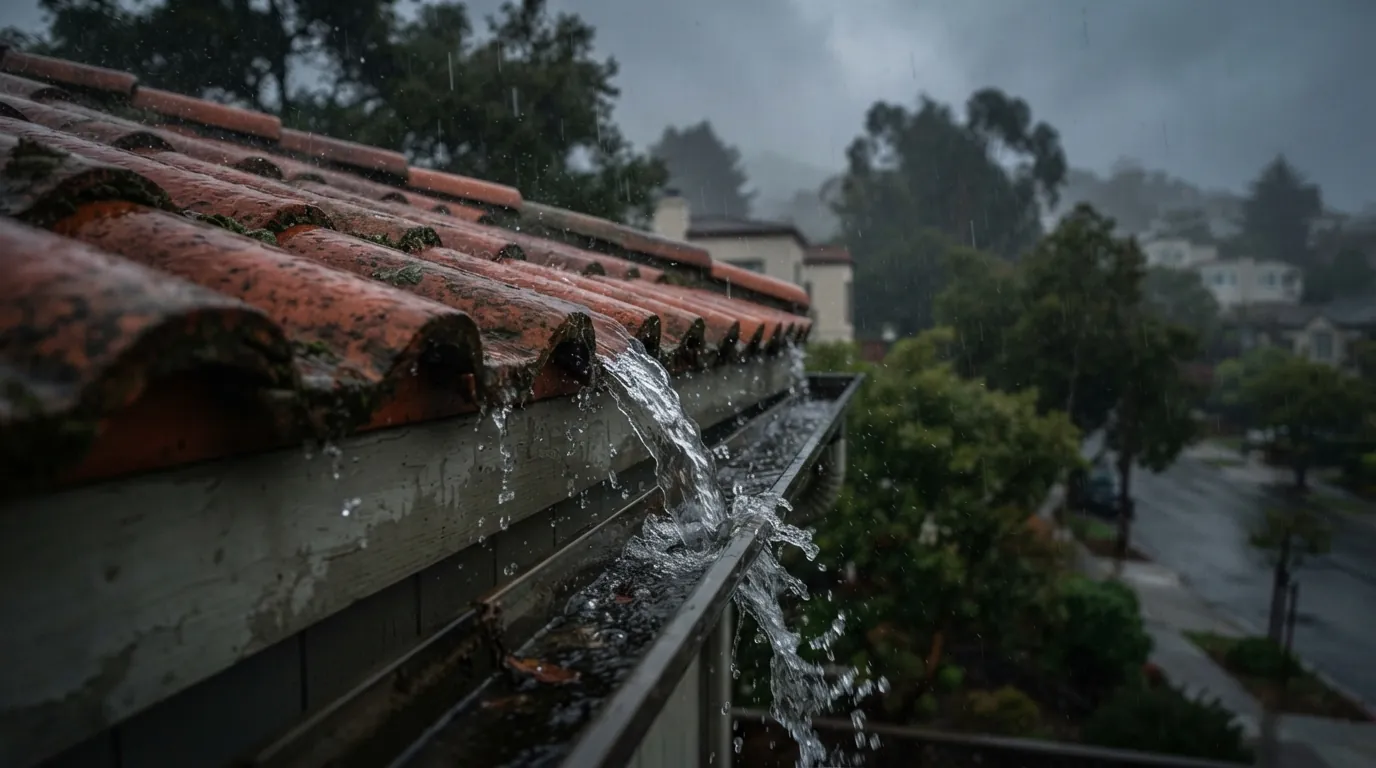
Quick answer. A roof storm damage claim starts with protecting the home from further damage, then documenting the damage with dated photos, reporting the claim, meeting the adjuster, and getting an itemized repair scope. Policies generally cover sudden storm or impact damage, not wear and age, so the record should separate the two.
Step one: protect the home
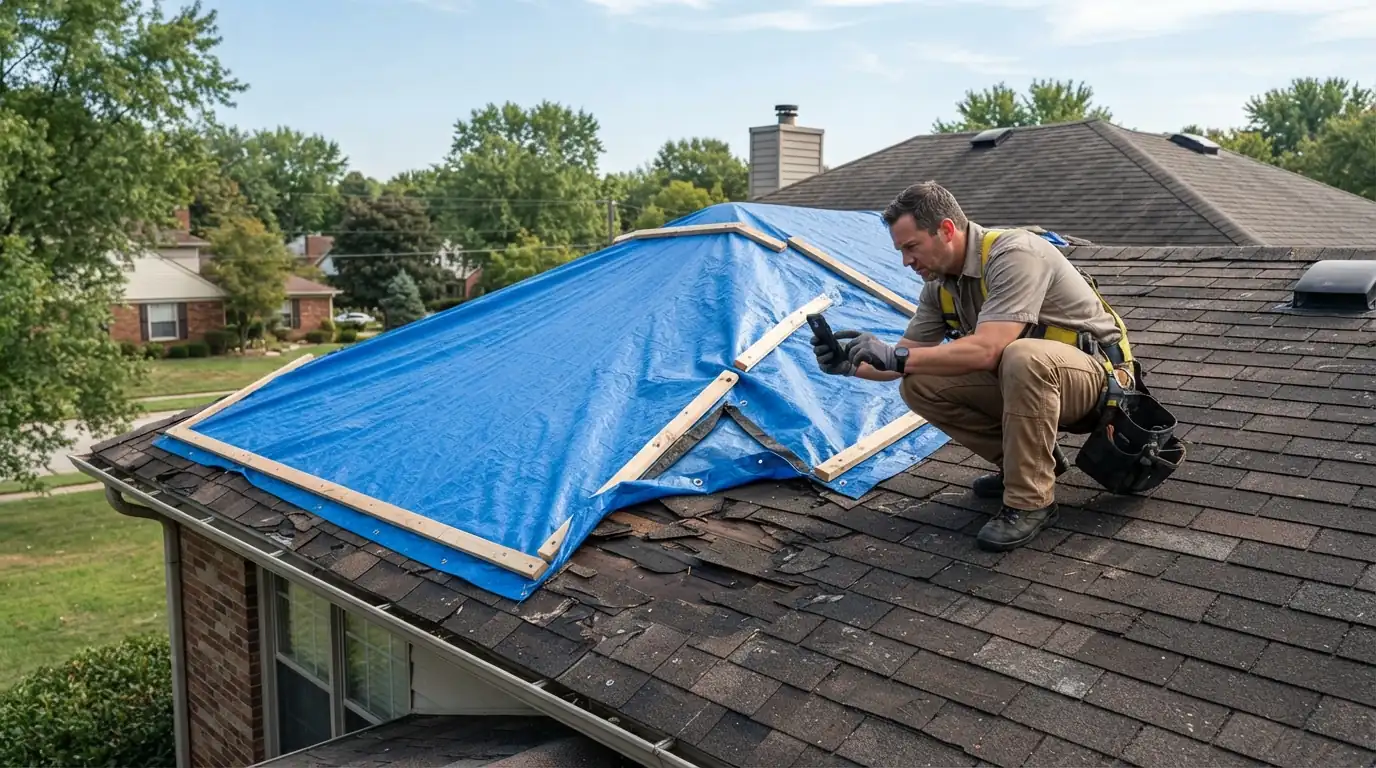
Most homeowners' policies expect you to prevent further damage after a loss, and emergency tarping or a temporary patch usually counts as that. Keep every receipt. In San Jose, where most of the year's rain arrives between November and March, often as storms stacked back to back, a roof opened by one storm can take on a lot more water before the next one if it is left uncovered.
Our emergency roof tarping photographs the damage before the tarp covers it.
Step two: document before anything is moved
Photograph the roof from the ground, the damaged areas up close, anything that came off the roof, and every water stain and wet spot inside, before furniture is moved or debris cleared. Note the date and time the damage happened and what the weather was. A roofer's report adds dated photos from the roof itself, a written cause for each item, and an itemized repair scope.
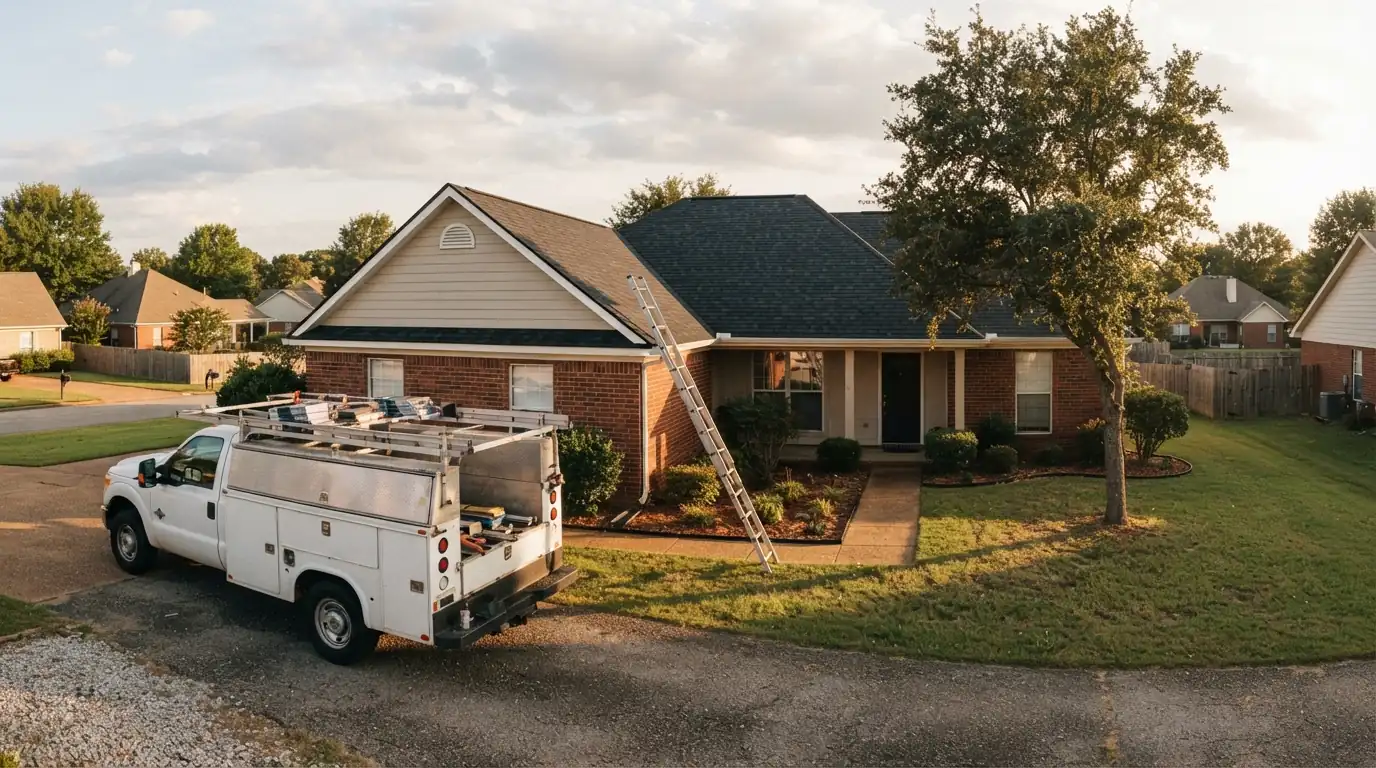
Storm hit the roof? We answer any hour and document everything.
(669) 259-7490Step three: report and meet the adjuster
Report the claim promptly. The insurer will send an adjuster to inspect the damage. It helps to have the roofer who documented the damage there too, so the adjuster sees the same areas and hears the same explanation. The roofer's job is to give an accurate record, not to negotiate the claim; the claim stays between you and your insurer.

Storm damage versus wear
The question adjusters ask first is whether the damage came from the storm or from age. Creased and torn shingles, tiles knocked out of line, a limb through the deck and flashing peeled back in a wind event read as storm damage. Brittle, curling shingles, granule loss across the whole roof and long-standing stains read as wear. A clear report separates the two, which is what our storm damage reports do.
| Usually storm damage | Usually wear |
|---|---|
| Creased or torn shingles after wind | Curling and cracking across the roof |
| Tiles knocked out of line | Brittle tiles and failed underlayment |
| Limb or debris through the deck | Rotted decking from old leaks |
| Fresh stains after a storm | Long-standing, dried stains |
After the claim is approved
Once the claim is settled, the permanent repair is scheduled at the first dry window. Check whether the repair crosses the city's permit threshold, and make sure the scope includes any code items, such as Class A materials in fire zones, that the work triggers. Keep the final photos and invoice with the claim file.

FAQ
Roof insurance claim questions
Protect the home first, usually with a roofer's tarp, then report the claim promptly.
Sudden storm or impact damage usually; age and wear usually not.
It helps, so both see the same damage and the same explanation.
No. The roofer documents and repairs; the claim is between you and your insurer.
Wide and close shots of the roof, debris and every interior stain, with dates.
Usually, as a step to prevent further damage. Keep the receipt.
Share the roofer's photos and ask for a re-inspection.