Roofing guide
Tile, shingle or metal: choosing a roof for a San Jose house
The three roofs most San Jose homeowners choose between each suit a different house. Weight, fire zone, energy code and how long you plan to stay decide it more than looks do.
By Norman Eastwood, Roofing Guides Editor. Updated September 2026.
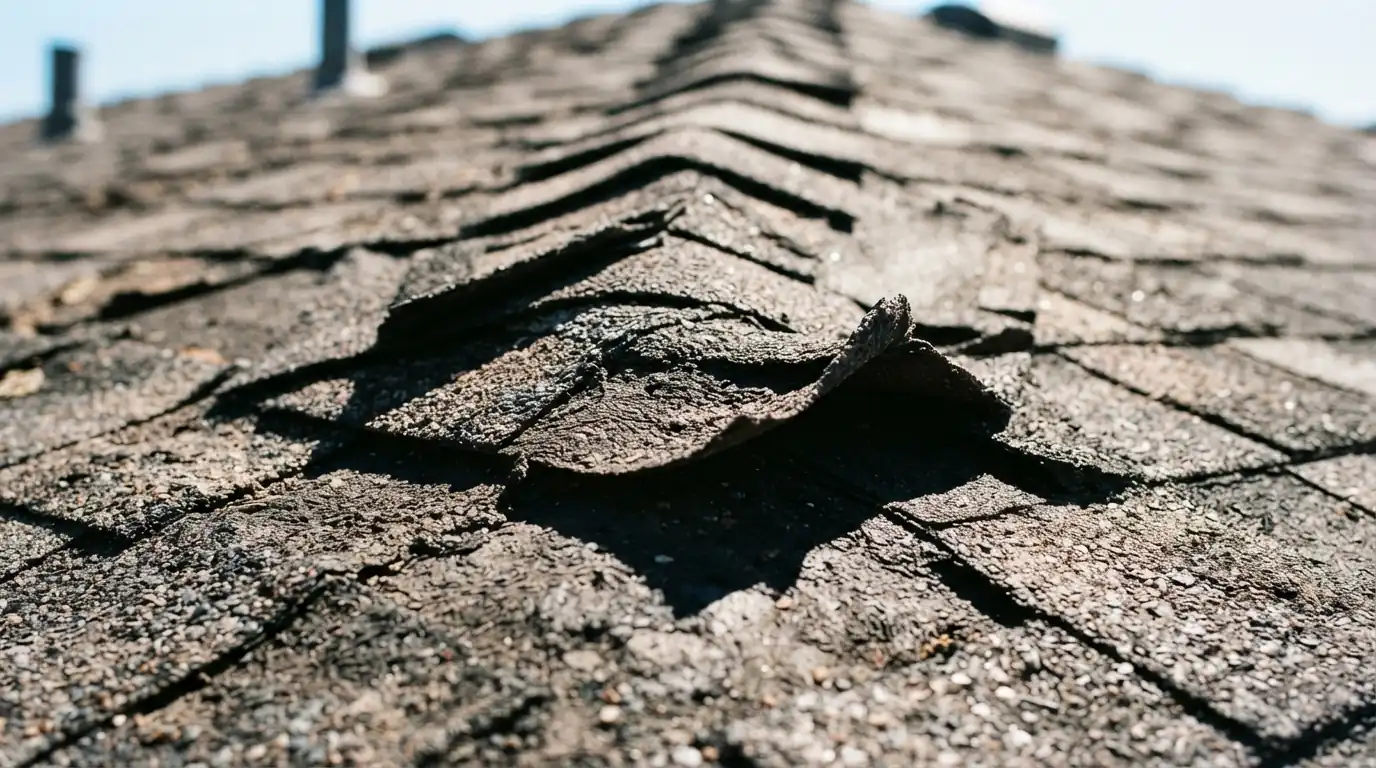
Quick answer. For most San Jose homes, architectural asphalt shingle is the most economical re-roof, concrete or clay tile suits Mediterranean and Spanish-style houses whose framing can carry it, and metal makes sense in fire zones, on lighter framing, or for owners staying long term. Class A fire rating, Title 24 cool-roof rules and roof weight limits narrow the choice further.
The quick comparison
The table below is the short version. The sections after it explain the trade-offs that matter here, including the two local rules that most often decide the answer: roof weight and fire zone.
| Question | Architectural shingle | Concrete or clay tile | Metal |
|---|---|---|---|
| Service life | 25 to 30 years | Tile lasts decades; underlayment sooner | 40 to 70 years |
| Weight | Light | Heavy, may need engineering | Lightest |
| Class A option | Yes, as an assembly | Yes | Yes |
| Cool-roof colors | Rated light colors | Rated colors common | Reflective finishes |
| Relative cost | Lowest | Higher | Highest |
Composition shingle: the default for good reasons
Architectural laminated shingles cover most San Jose roofs because they are light, quick to install, repairable and the least expensive of the three. Over the right underlayment most lines reach a Class A fire rating, and many lighter colors carry the cool-roof rating Title 24 asks for on permitted re-roofs. A well-installed shingle roof commonly lasts 25 to 30 years here.
The trade-off is lifespan and look. On a Spanish-style house, shingle can look out of place, and on a roof you expect to keep for forty years you will likely replace shingles once more. For the typical tract home, though, it is hard to beat for value. See what goes into a shingle roof replacement.
Tile: long-lived, beautiful and heavy
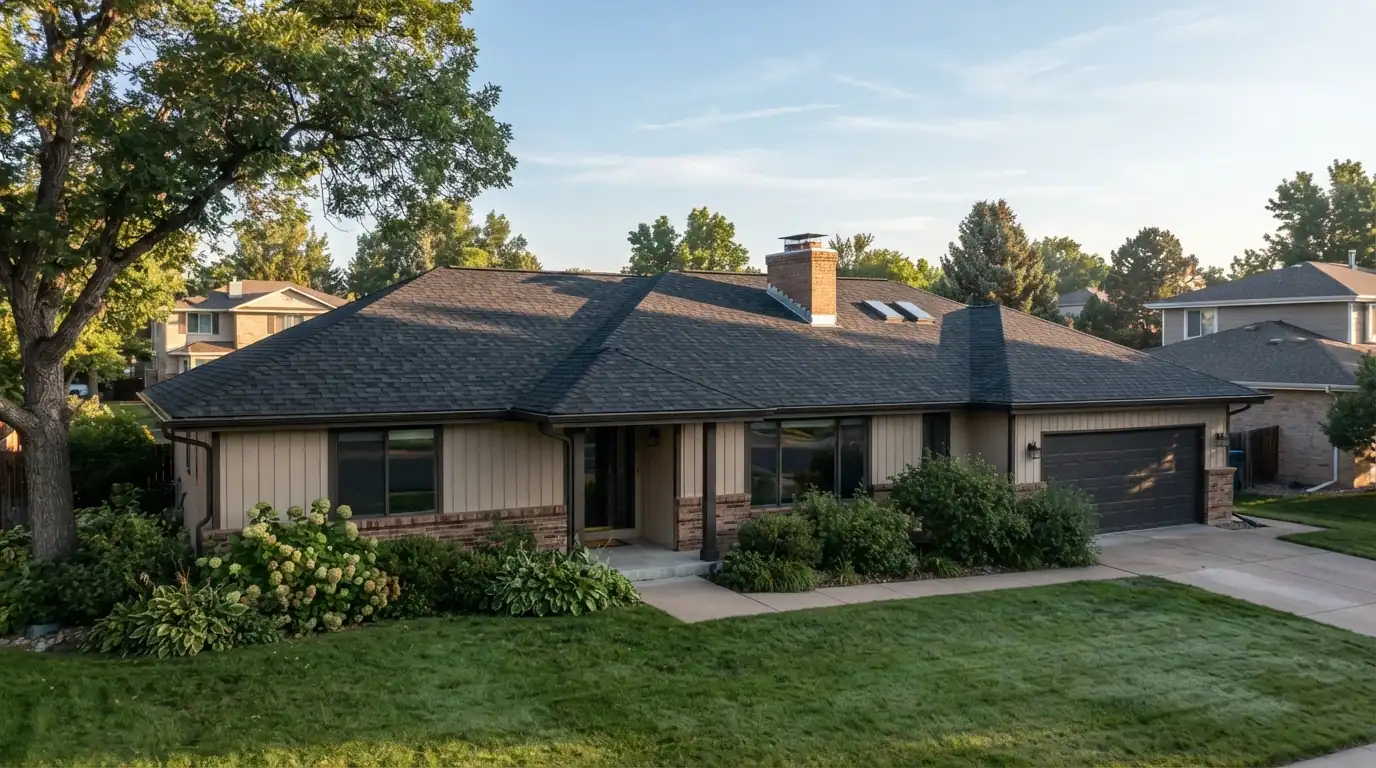
Concrete and clay tile are common on San Jose's Mediterranean, Spanish and Mission-style homes, and a tile can outlast several layers of the underlayment beneath it. That is also tile's catch: most tile roof leaks come from failed underlayment, not broken tiles, so a relay that reuses the tile over new underlayment is often the smart re-roof.
Weight is the deciding factor. Tile adds significant structural load compared with asphalt. San Jose requires an engineering analysis when a re-roof pushes total roofing weight past 7 pounds per square foot, and state seismic rules call for review when a re-roof raises roof load by more than 10 percent. Converting a shingle house to tile almost always triggers both. Our tile roof replacement page covers relays and new tile in detail.
Not sure which roof suits your house? We price the options side by side.
(669) 259-7490Metal: light, fire-resistant and built to last
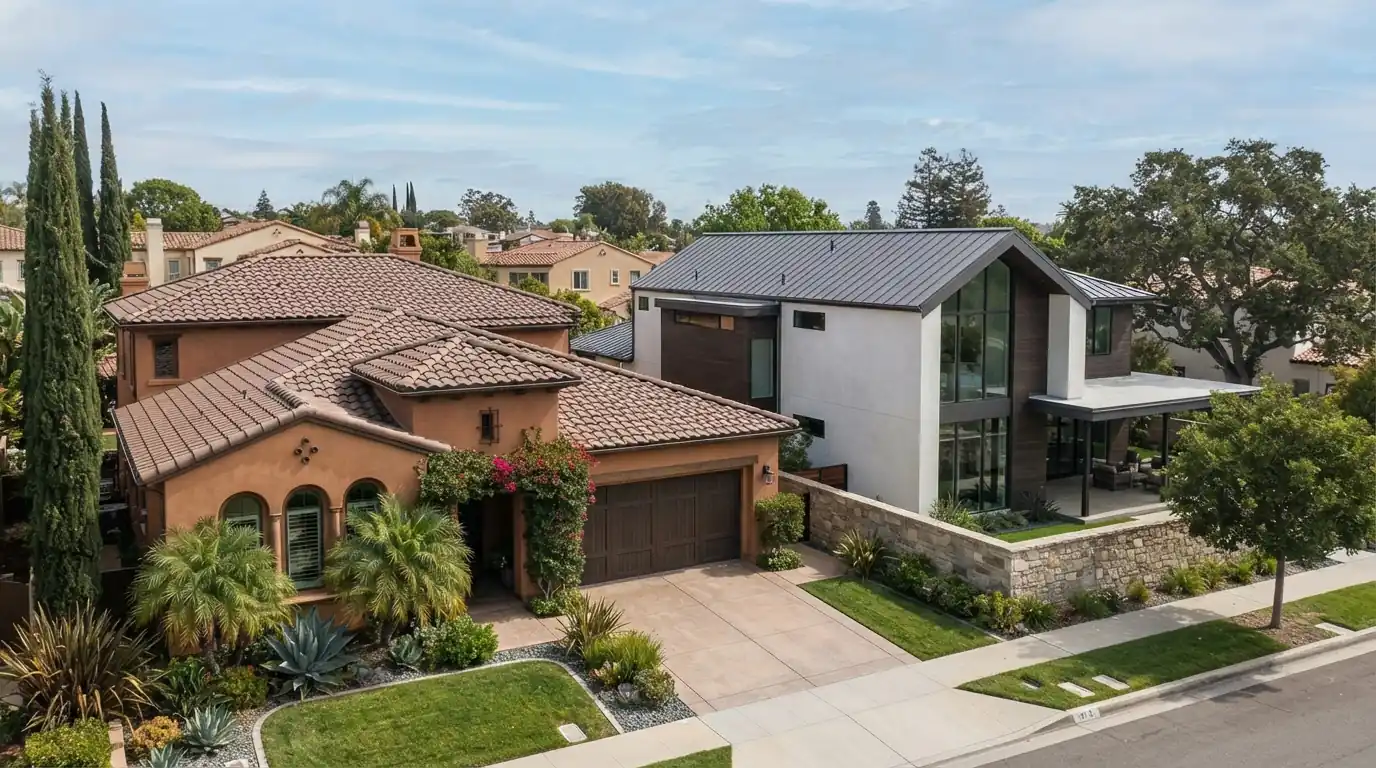
Metal is the lightest of the three, which makes it the natural choice when the framing is marginal or when a house wants a tile look without tile's weight, through stone-coated steel. Reflective finishes can reflect up to 70 percent of solar energy, which keeps attics cooler through a San Jose summer, and standing seam systems commonly last 40 years or more.
The trade-off is price. One San Jose cost calculator puts installed metal at about $14.50 per square foot against about $7.25 for asphalt. That premium pays back best for owners who stay long term or who live in a fire hazard zone. Details are on our metal roof installation page.
Fire zones and the energy code narrow the choice
Since January 1, 2026, re-roofs in mapped Fire Hazard Severity Zones, including High zones inside city limits, must be Class A assemblies under California's consolidated wildfire code. All three materials can meet that, but the assembly has to be specified correctly, and vents should be ember resistant. Separately, Title 24 cool-roof rules apply to most permitted re-roofs, and only CRRC-rated products qualify. More on that in our guide to Title 24 cool roof rules.
What about flat and low-slope roofs?
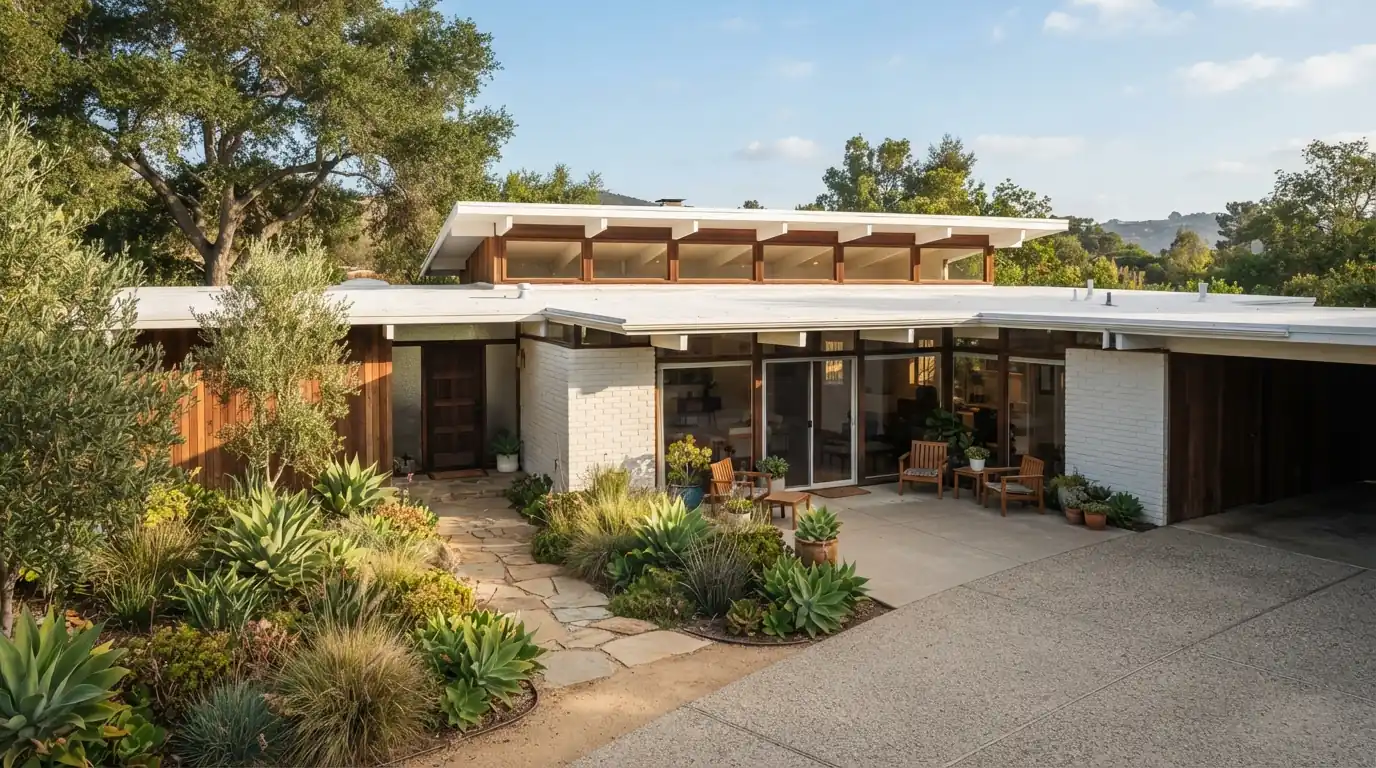
None of the three belongs on a flat or nearly flat roof. The mid-century homes in Willow Glen and other Eichler tracts need low-slope systems: spray foam, single-ply TPO or PVC, or built-up roofing. If your house is one of those, start with our Eichler foam roof guide instead.
FAQ
Roofing material questions
Metal and tile last longest, though tile's underlayment needs replacing sooner than the tile itself.
Only if the framing can carry it; the city requires engineering when roofing weight exceeds 7 pounds per square foot.
Over solid decking and underlayment, it sounds much like other roofs.
All three can meet Class A as an assembly; metal and tile are the most common choices in the hills.
Most permitted re-roofs must meet Title 24 cool-roof values; darker colors may need an energy calculation.
It mimics the look closely at a fraction of the weight, and it walks better than tile.
Architectural asphalt shingle, by a wide margin.