Inspections & Maintenance
Roof inspections in San Jose with a photo report
An inspection should answer one question clearly: what does this roof need, and when? We walk every slope, look at the attic, and give you photos and a plain answer, not a sales pitch.

What we treat
- Concrete and clay tile
- Composition shingle
- Flat, torch-down and TPO
- Spray foam
- Standing seam metal
Quick answer. A roof inspection in San Jose covers every slope, flashing detail, penetration, valley and gutter, plus the attic underside, and ends with a photo report that sorts findings into what is fine, what can wait and what should be repaired before the rains. Most homes take an hour or two on site.
Updated September 2026
The job
What an inspection tells you
The report estimates how much life the covering has left, lists every defect with a photo and its location, and separates repairs that matter now from ones that can wait a season or two.
When the inspection is for a sale, a claim or a lender, we write it for that reader.
Jobs this page covers
Pre-rainy-season inspection
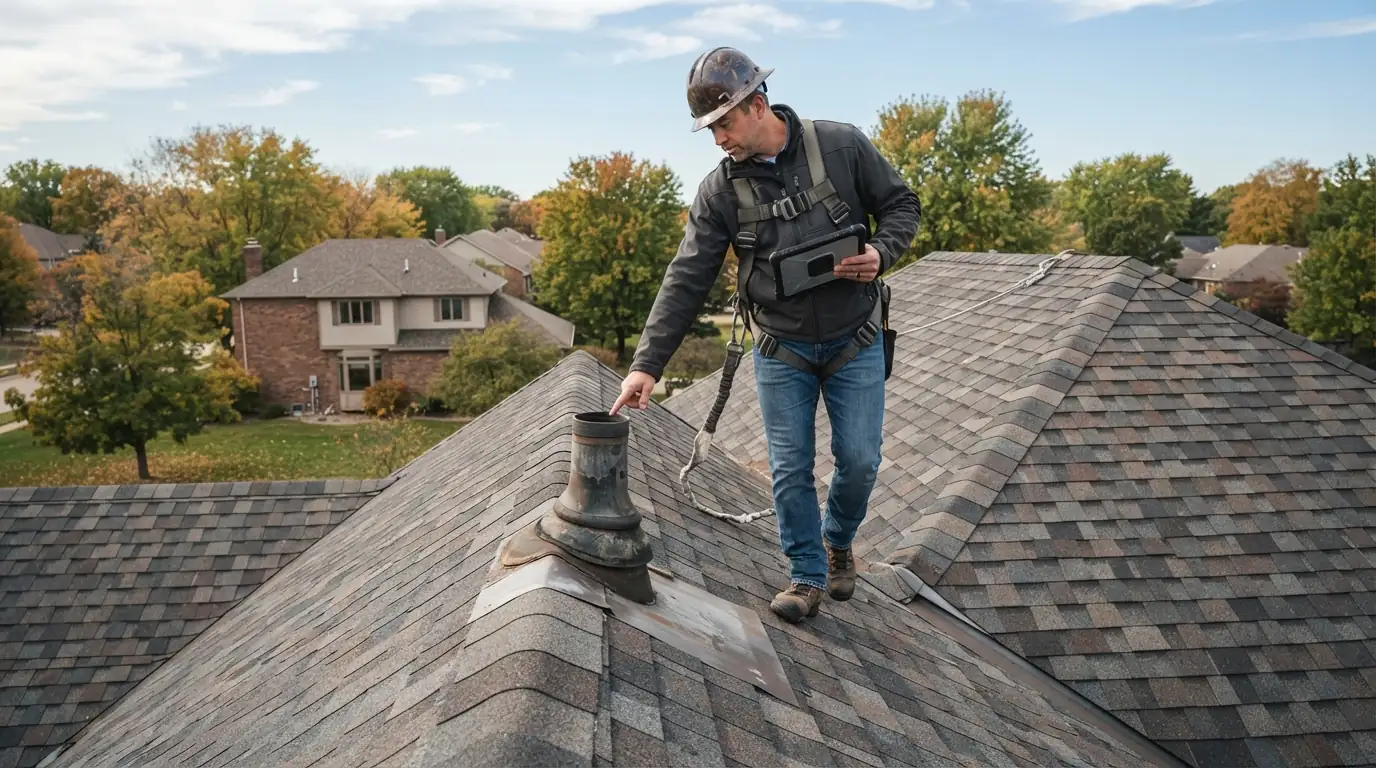
The best time to find a leak is before it rains. A fall inspection checks the details the summer sun ages first: pipe boots, sealant at vents and flashing, lifted shingle edges and slipped tiles. Small items can be fixed on the same visit if you want; everything else goes on the report with a price. For roofs in good shape, the report is a baseline for next year's comparison and a record for any future insurance claim. The same checklist is used every year, so changes stand out.
Post-storm inspection
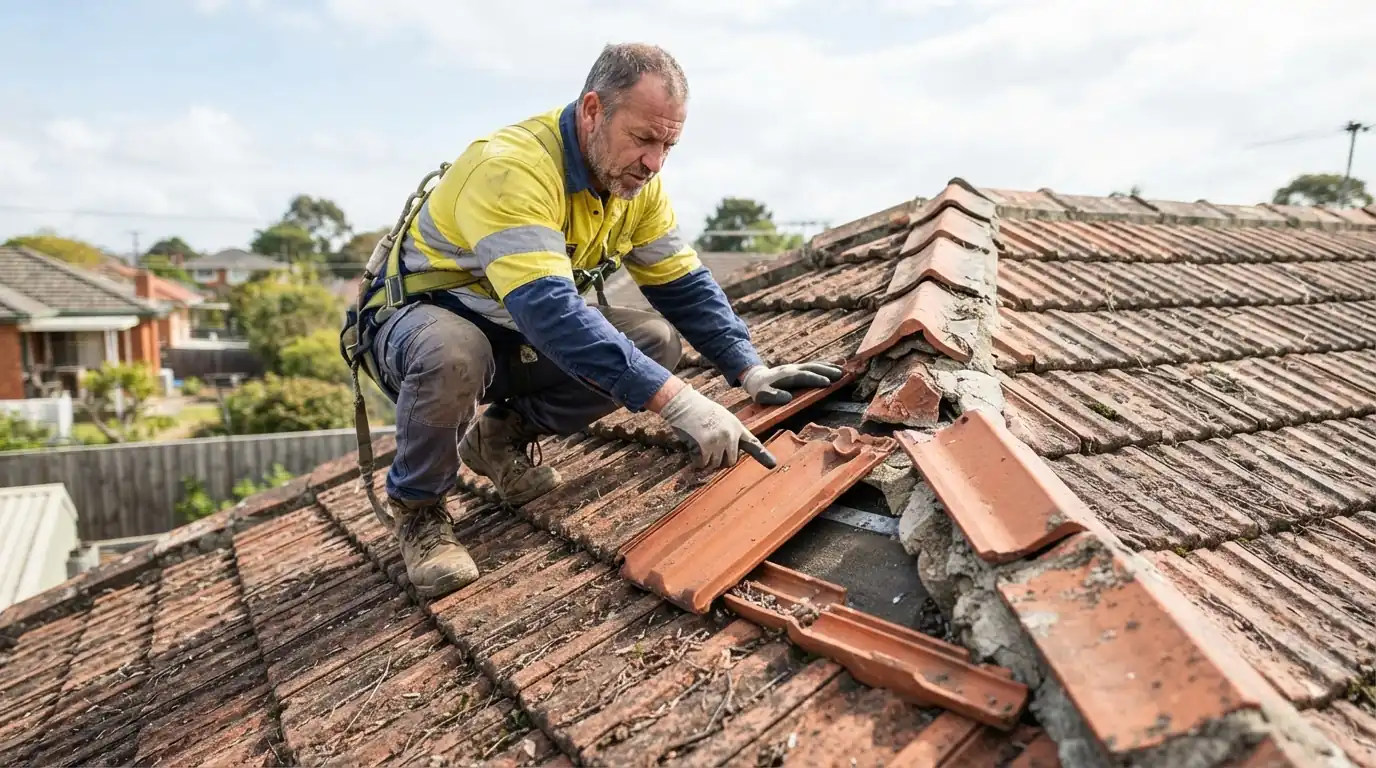
After a big wind or rain event, damage is not always visible from the ground. We walk the roof and attic looking for lifted or creased shingles, broken tile, bent flashing and wet decking, and we photograph everything with dates. If the damage looks like a claim, the report is written with that in mind, separating storm damage from wear so the adjuster can see the difference clearly. Temporary protection, if needed, can go on during the same visit so no more water gets in.
Pre-purchase roof inspection
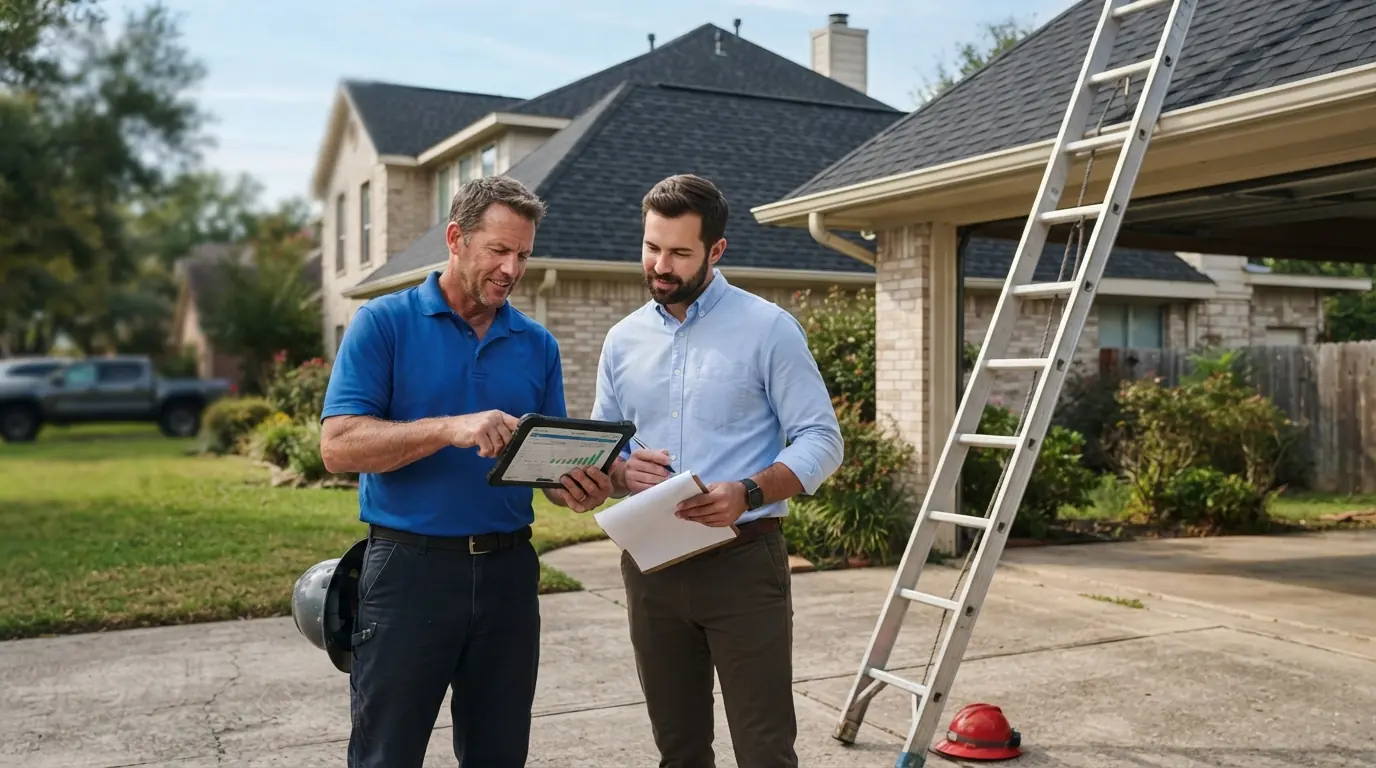
A general home inspector looks at the roof from the ground or a ladder; we walk it and go into the attic. Buyers get the remaining life of the covering, the cost of anything that needs doing, and a view of the deck from below, so they can negotiate with real numbers during the contingency period. If a certification is needed for the sale, the inspection is the first step toward it. The report is written so an agent or the seller can read it without a roofer explaining it.
Attic and moisture check
Most roof problems show first on the underside: stained sheathing around nails, damp insulation, daylight at the ridge or around a vent. We check the attic with a light and a moisture meter, note whether the ventilation is balanced, and look for bathroom fans venting into the attic instead of outside. The attic often explains a leak the roof surface cannot, and it tells us how the deck is holding up. Photos from the attic go into the report next to the roof photos above them.
Scope
What every inspection covers
The same points on every roof, so reports can be compared year to year.
- Covering condition and estimated remaining life
- Flashing at walls, chimneys and skylights
- Pipe boots, vents and other penetrations
- Valleys, ridges, hips and edges
- Gutters and downspouts
- Attic underside, moisture and ventilation
- Fire class and code notes for the next re-roof
What happens after you call
How an inspection visit runs
- 1
Tell us why
Maintenance, storm, purchase or claim.
- 2
Walk the roof
Every slope, flashing and penetration.
- 3
Check the attic
Stains, moisture and ventilation.
- 4
Photograph
Every finding, dated and located.
- 5
Sort the findings
Fine, can wait, fix now.
- 6
Send the report
Usually the same or next day.
What we see on San Jose roofs
Inspections in San Jose include two code questions that shape what a future re-roof will cost. Since January 2026, houses in mapped Fire Hazard Severity Zones, including High zones inside the city, need a Class A roof assembly at the next re-roof, so we note the zone and whether the current roof would meet it. Homes in historic districts need Planning clearance for re-roofing, with color and texture matched to the original, which the report flags when it applies.
Timeline
How long an inspection takes
An hour or two on site for most homes, longer on large tile roofs. The report usually follows the same or the next day, and sooner when an escrow or claim deadline is close.
Cost
What an inspection costs depends on
Inspections are a set visit priced by roof size and type.
- Roof size More slopes take longer to walk.
- Roof type Tile and flat roofs need different checks.
- Attic access Crawl space or no access changes the approach.
- Report type Sale, insurance and lender reports differ.
- Rush timing Escrow deadlines may need a quick visit.
- Repairs on the day Small fixes can be added with your approval.
FAQ
Questions we get asked
Once a year for older roofs, every few years for newer ones, and after any major storm.
Yes, carefully, on the batten line.
No. A certification is a written statement issued after an inspection and any repairs it calls for.
No. The report tells you what the roof needs, which is often a repair or nothing at all.
Yes, and we are happy to walk you through the photos afterward.
Same category
Related roofing work
Roof Certification
Inspection, any required repairs, and the certification paperwork for a sale.
Learn moreRoof Maintenance
An annual tune-up: sealants, boots, debris and minor resets before winter.
Learn moreRoof Cleaning
Debris, moss and algae cleared without damaging tile or shingle.
Learn moreAttic Ventilation
Ridge, soffit and ember-resistant vents sized for the attic.
Learn moreBook a roof inspection
Tell us why you want it checked. We inspect, photograph and send a report you can act on.