Roofing guide
Class A roofs in San Jose fire hazard zones: what changed
In 2025 San Jose adopted a new fire hazard map, and on January 1, 2026 California consolidated its wildfire building rules. If your house is in a mapped zone, the next re-roof has to meet Class A.
By Norman Eastwood, Roofing Guides Editor. Updated September 2026.
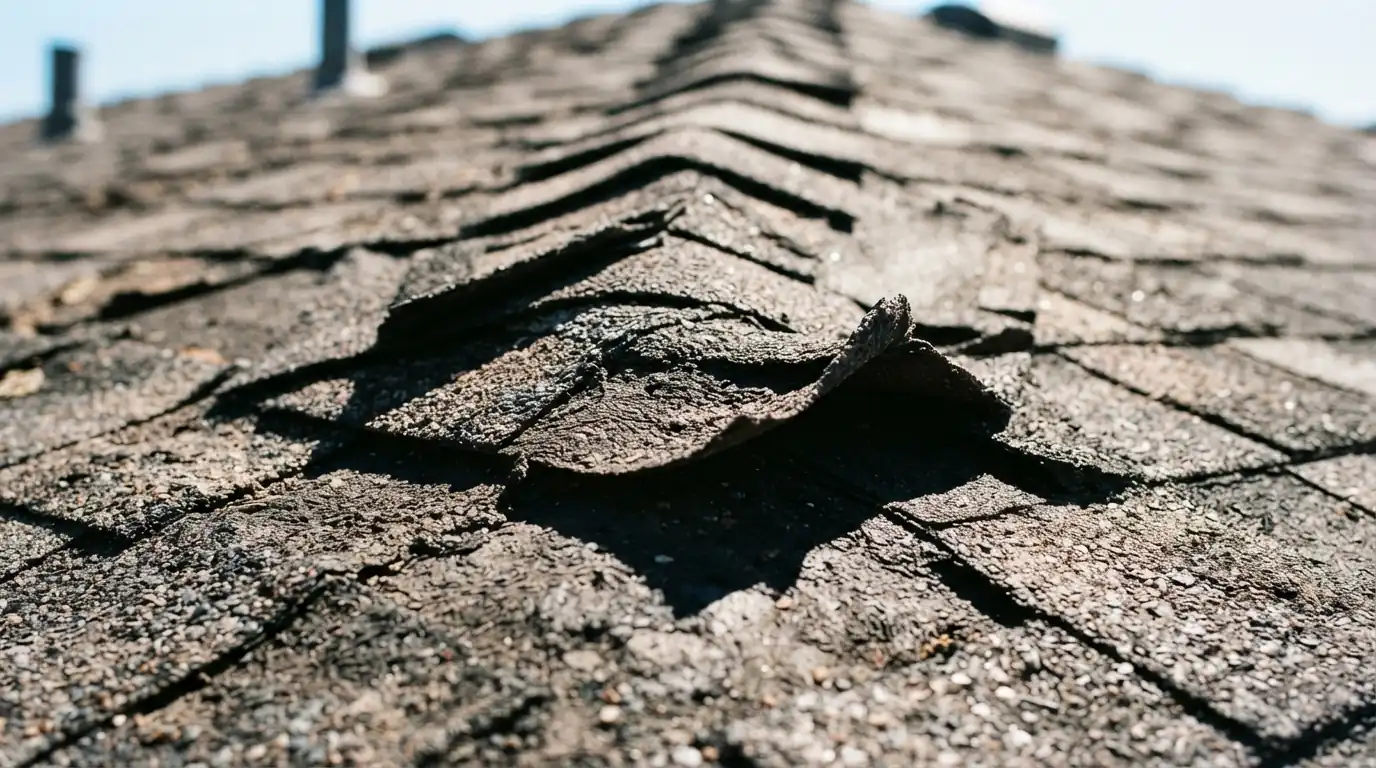
Quick answer. Since January 1, 2026, re-roofs on San Jose houses inside a mapped Fire Hazard Severity Zone, including High zones within city limits, must be Class A fire-rated assemblies. San Jose adopted CAL FIRE's updated map in June 2025, roughly doubling its very-high zone, so many homeowners who were not affected before now are. Check your address on the city's zone finder first.
What changed in 2025 and 2026
CAL FIRE released updated Fire Hazard Severity Zone maps in February 2025, and the San Jose City Council adopted them by ordinance on June 17, 2025. The city's very-high hazard acreage grew from roughly 3,000 acres to about 7,200, the largest increase of any Bay Area city.
Then, effective January 1, 2026, California consolidated its wildfire construction rules, which had been spread across the Building Code, Residential Code and Fire Code, into a single wildland-urban interface code in Title 24 Part 7. Under it, re-roofs in mapped hazard zones, including High zones inside city limits that were previously exempt, require a Class A roof assembly.

Which parts of San Jose are affected
The city's wildland-urban interface is concentrated in two areas with a history of serious fires: the Almaden Valley on the southwest side and the East Foothills near Alum Rock Park. The 2025 map added Moderate and High zones as well as expanding the very-high zones, so houses a little further from the hills may now be inside a zone too.
The reliable way to know is to check. The City of San Jose publishes a Fire Hazard Severity Zone finder where you type your address, and CAL FIRE has its own statewide viewer. We look up every parcel before writing a re-roof scope.
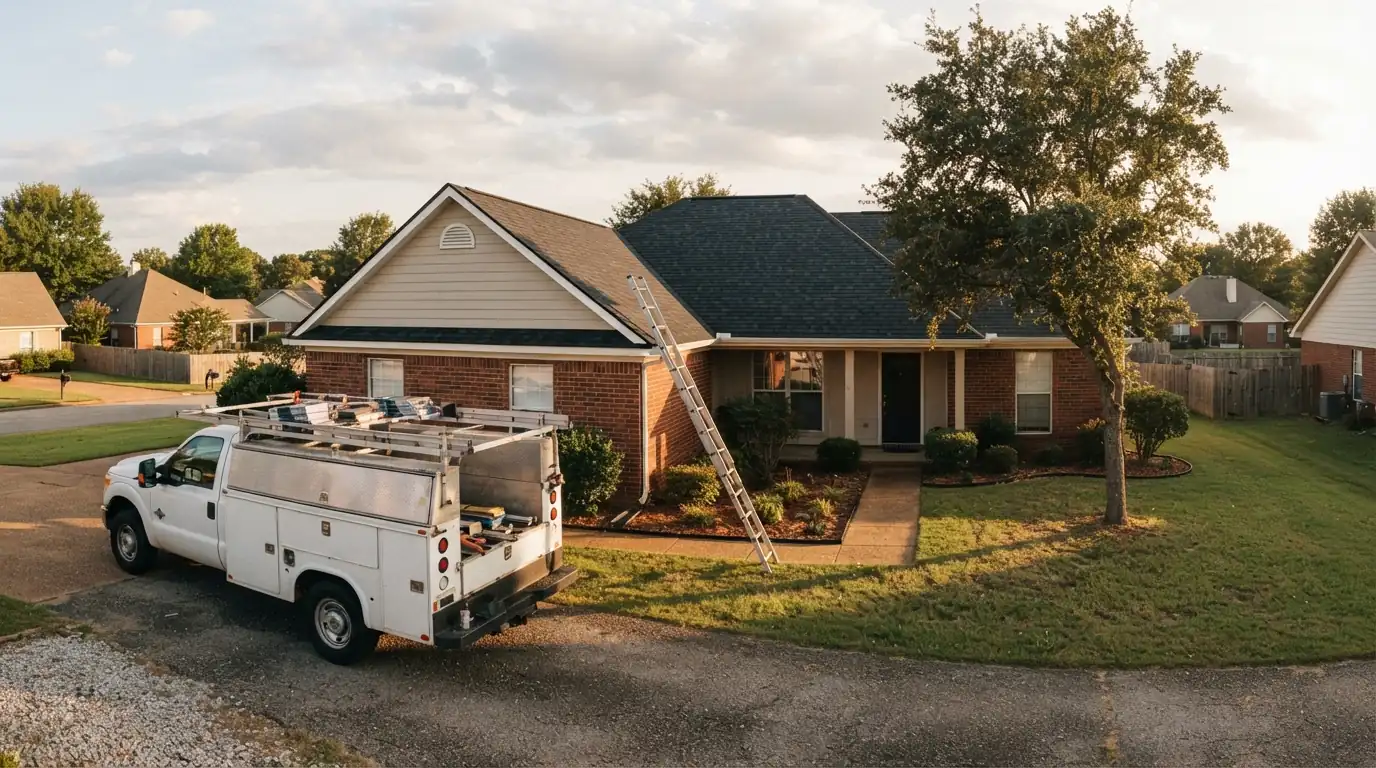
Not sure if your house is in a zone? We check the parcel before quoting.
(669) 259-7490What a Class A assembly means
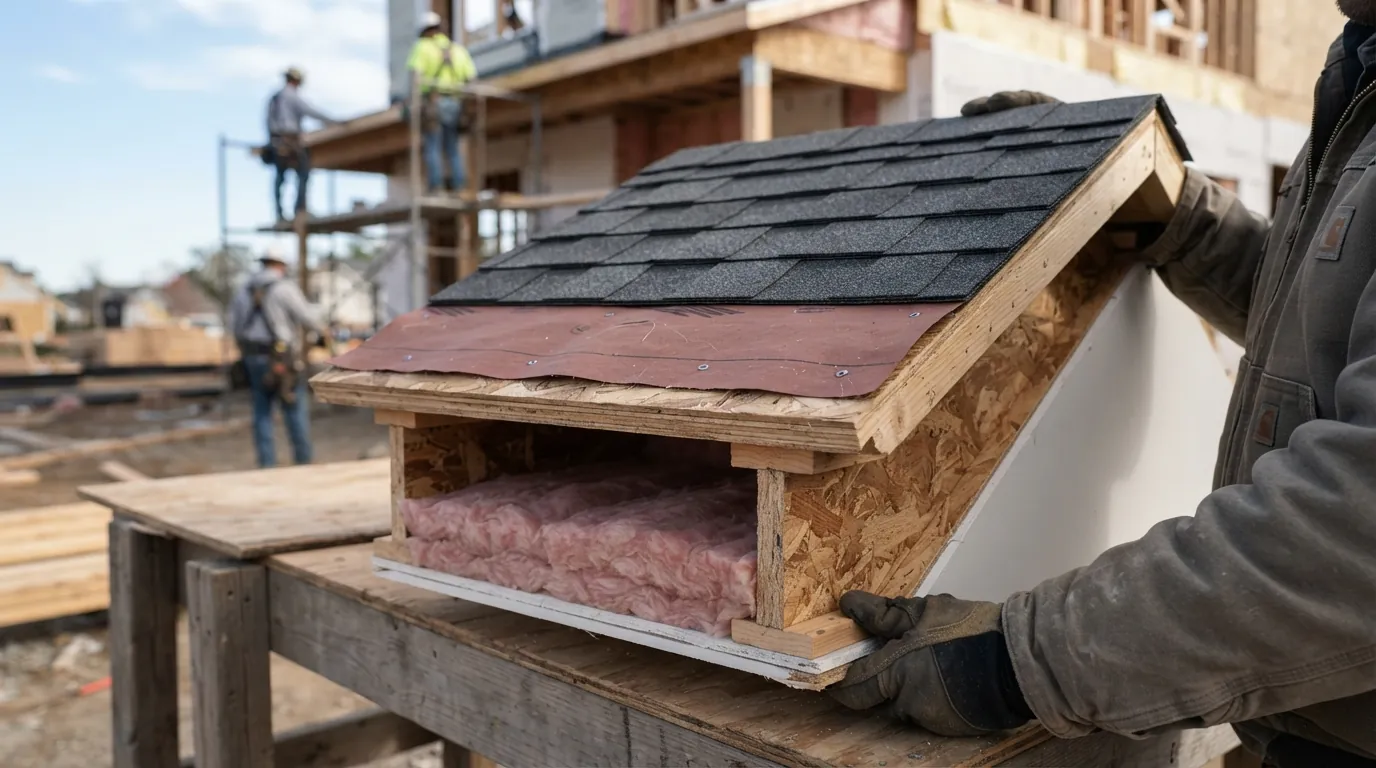
Class A is the highest fire rating for a roof, and it belongs to the whole assembly: the covering, the underlayment beneath it and the deck. Many laminated shingles reach Class A over the right underlayment. Concrete and clay tile and metal are commonly Class A. Wood shake generally is not without special treatment and assemblies.
Because the rating depends on the combination, the scope has to specify it, and the permit application states the roof's fire class. Our roof replacement scopes name the assembly, not just the shingle.
Vents, gutters and edges matter as much as the roof
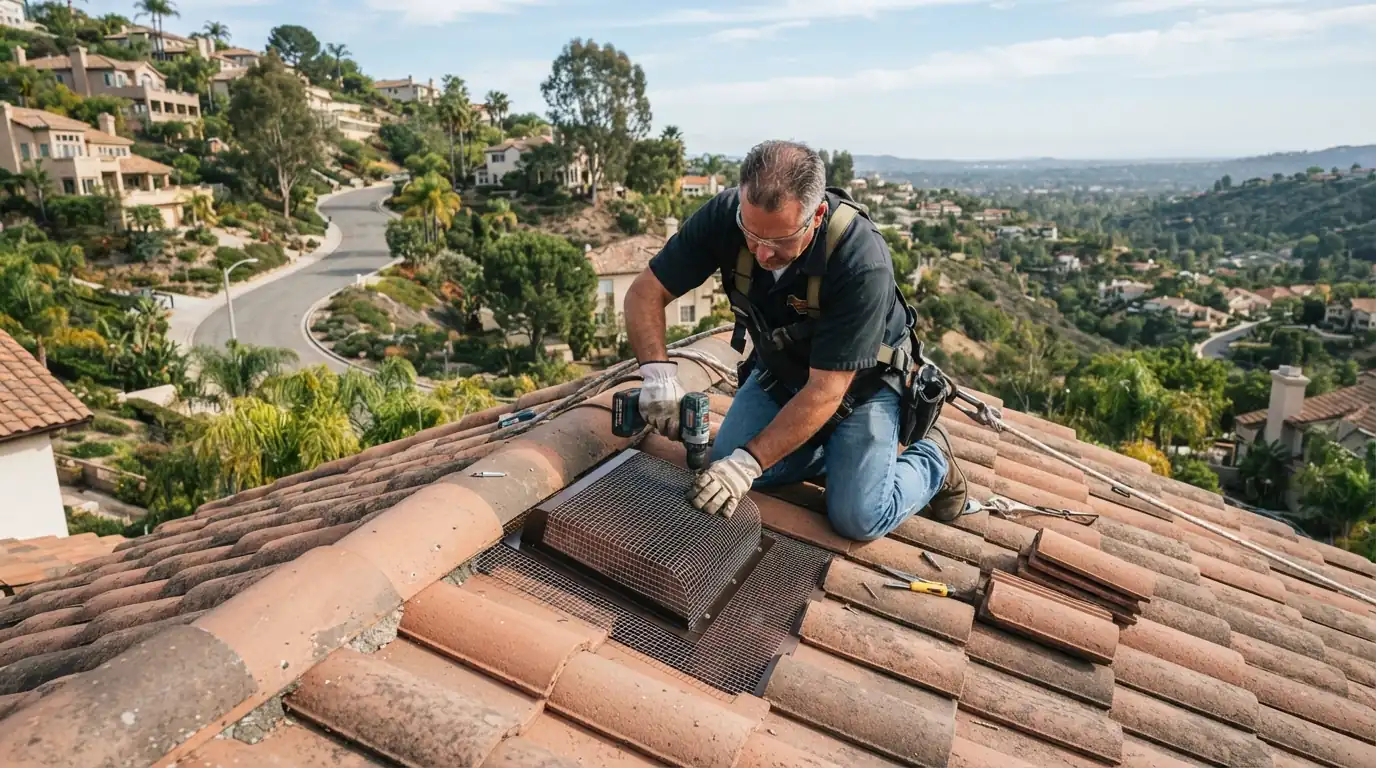
Most houses in wildfires ignite from wind-blown embers rather than a wall of flame, and embers find openings. Attic vents with fine mesh and baffles keep them out while still passing air; our attic ventilation page covers ember-resistant vents. Gutters full of dry leaves are fuel at the roof edge, so metal mesh guards and a late-summer clean-out help. Open ends of tile at the eaves should be closed with bird stops.
What it costs
For most shingle re-roofs, meeting Class A is a matter of choosing the right underlayment and product rather than a big price change. Hillside homes that need upgraded materials and ember-resistant vents throughout cost more; one Bay Area cost guide puts Class A materials and ember-resistant vents at roughly $1,200 to $2,500 in added material cost. Metal and tile carry their own premiums over shingle, covered in our material comparison.
FAQ
Fire zone roofing questions
No. The requirement applies when you re-roof, not before.
Use the City of San Jose Fire Hazard Severity Zone finder or CAL FIRE's viewer, or ask us to check.
Yes, as a Class A assembly with the right underlayment.
Metal is non-combustible and commonly Class A; tile is too. Shingle can meet Class A as an assembly.
Repairs should use materials that keep the existing roof's rating intact.
Insurers do look at zones; ask your agent how your policy treats yours.
Ember-resistant vents, clear gutters and closed eave openings are the main additions.