Roofing guide
Roof certification when selling or buying a San Jose home
A lender, a buyer or an escrow officer asks for a roof certification, and suddenly there is a deadline. Here is what it is, how it works and how to keep it from holding up a sale.
By Norman Eastwood, Roofing Guides Editor. Updated September 2026.
Quick answer. A roof certification in San Jose is a roofer's written statement that a roof is free of active leaks and expected to perform for a stated period, commonly two to five years. It is issued after an inspection and any repairs the inspection calls for, and it usually takes a few days to a week, less when escrow is tight.
What a roof certification is, and is not
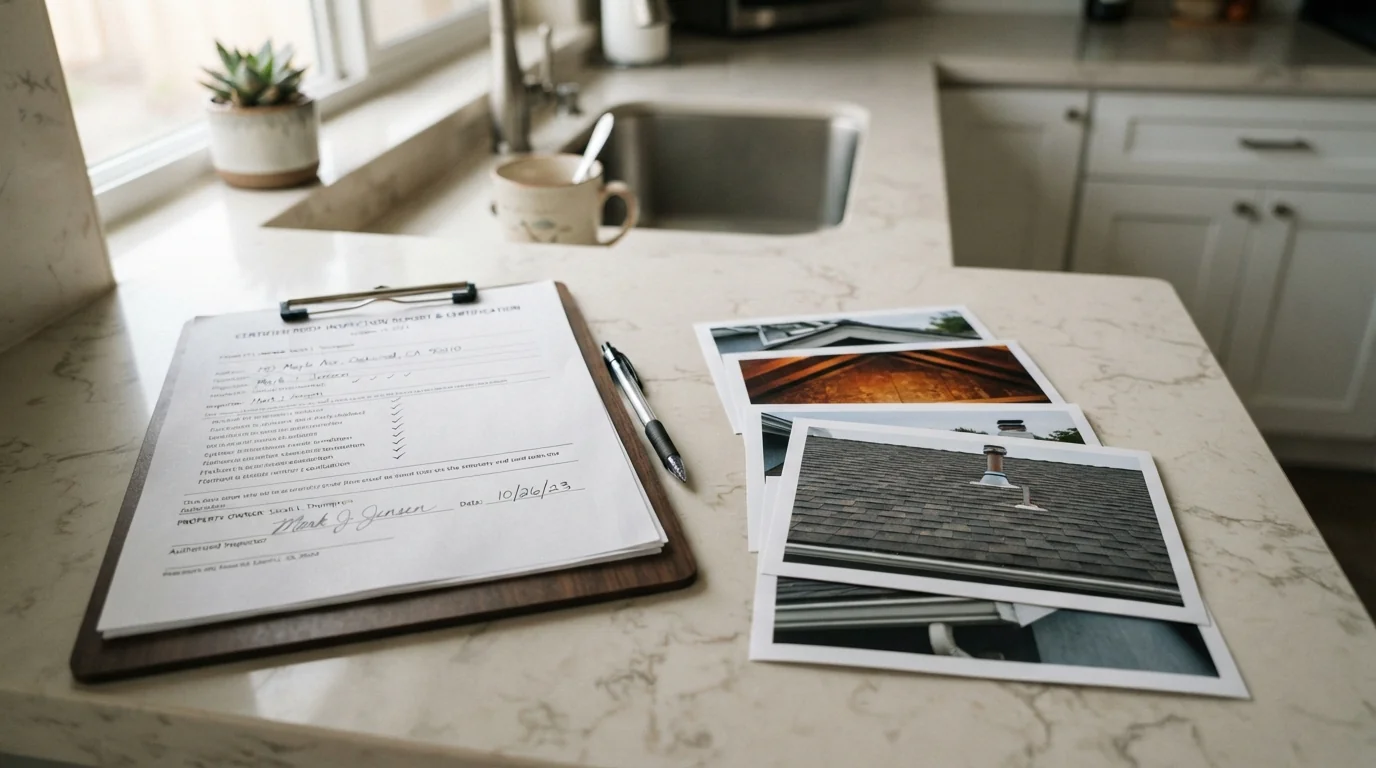
A certification states that the roof is watertight today and should stay that way for the period written on it. It names the property, the roof type, the inspection date, any repairs made, and the certified period. It is not a warranty on a new roof, it does not cover storm damage or neglect after it is issued, and it is not the same as a general home inspection.
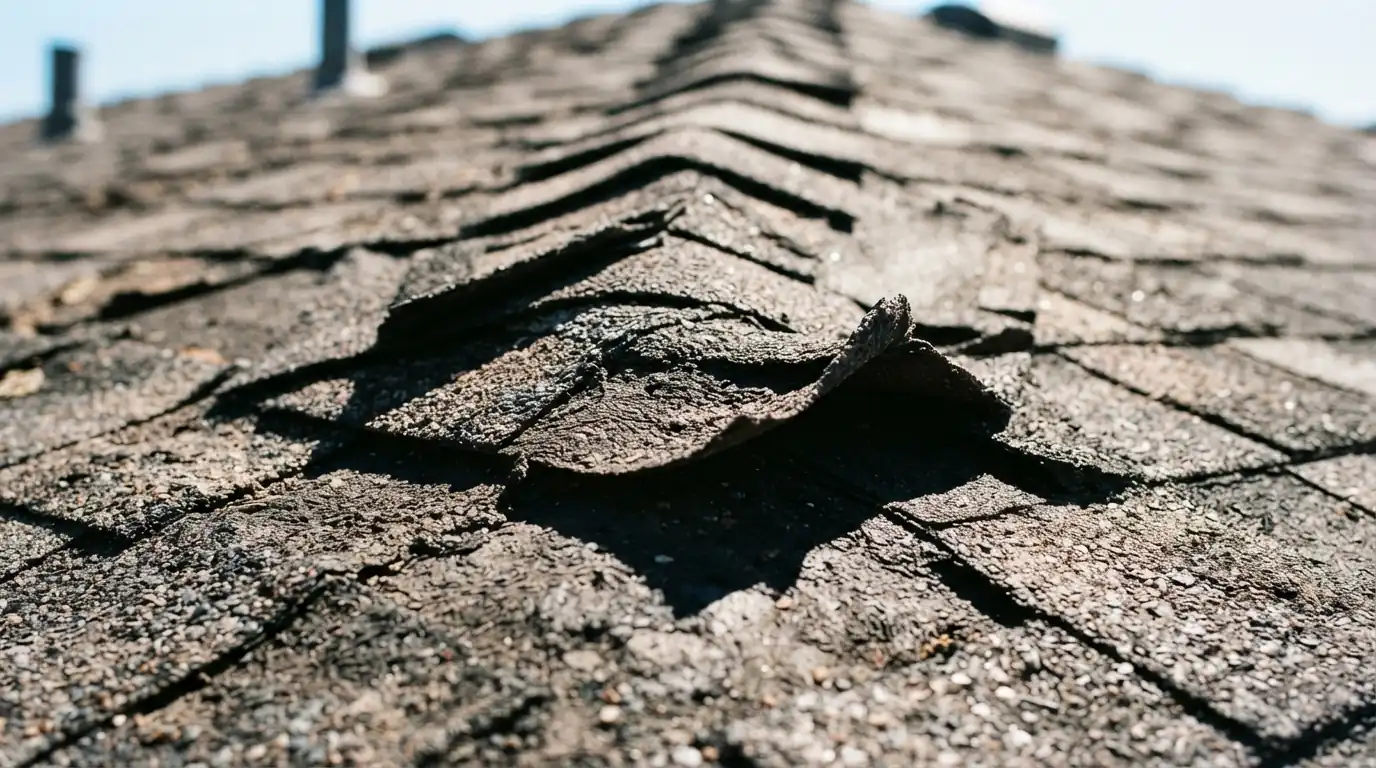
Some roofs cannot be certified without major work. A roof at the end of its life gets a report explaining why, with photos and a replacement price, so the parties can negotiate before closing rather than discover it after.
Seller or buyer: who orders it
Sellers often order a certification before listing. It turns the roof from an unknown into a documented item, gives time to make repairs at normal pricing, and removes one of the usual reasons for renegotiation after the buyer's inspection.
Buyers order one during the contingency period to know what they are taking on, or because their lender requires it. Who pays is set by the purchase contract. Either way, the inspection and the certificate are the same.
What the inspection covers
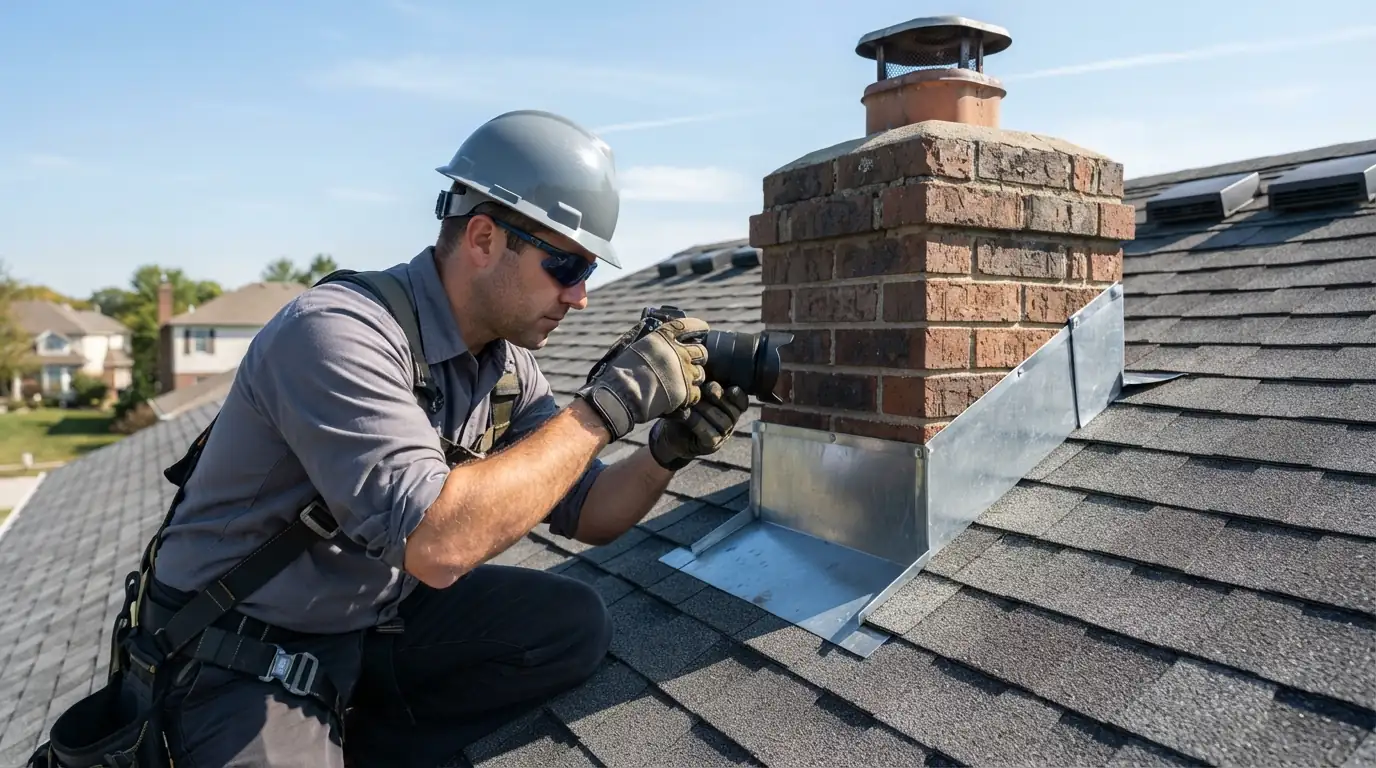
The roofer walks the covering and checks flashing at walls, chimneys and skylights, every pipe boot and vent, the valleys, ridges and edges, and the gutters. The attic underside is checked for stains, moisture and daylight. Every item is photographed. San Jose's housing stock matters here: with a median build year around 1976, many roofs are on a second or third covering, so the attic look at the deck matters as much as the shingles. Our roof certification service follows this checklist.
Closing soon? Tell us the date and we will schedule backward from it.
(669) 259-7490Repairs before certification
Most pre-certification repairs are small: a cracked pipe boot, a few slipped tiles, lifted shingles, open flashing at a wall, a clogged valley. Each is priced on the report, and the certification issues once they are done and rechecked. Most of these repairs stay well under the city's 25 percent threshold, so they need no permit and do not hold up escrow.
When the list is long, price a replacement alongside it. Sometimes a seller credit toward a new roof is simpler for everyone than a string of repairs on a tired one.
Timing it with escrow
Tell the roofer the closing date on the first call. The inspection itself takes an hour or two, a roof that passes is certified within a day or two, and repairs usually take days, not weeks. Weather is the wild card: repairs cannot always be done in the middle of a storm, so booking early in the rainy season matters. Build a few days of slack into the contingency period.
Seller and buyer checklist
A short list for whichever side you are on.
| Step | Seller | Buyer |
|---|---|---|
| When to order | Before listing | Early in contingency |
| What to share | Report and certificate with disclosures | Report with your lender if required |
| If repairs are needed | Fix at normal pricing, then certify | Negotiate repairs or a credit |
| If it cannot be certified | Price a replacement, disclose | Negotiate price or a new roof |
FAQ
Roof certification questions
The period written on it, commonly two to five years depending on the roof's condition.
No. A roofer inspects the roof in detail and stands behind a written statement about it.
No. Roofs near the end of their life need replacement first; you get photos and a price either way.
Whoever the purchase contract says; sellers often pay to avoid renegotiation.
Usually a few days to a week, including any repairs.
Yes, with the same inspection adapted to the roof type.
The photos in the report usually answer the question faster than another visit.