Roofing guide
How to choose a roofing contractor in San Jose
Most roofing problems we are called to fix started with the wrong contractor. A good quote, a few verification steps and the right questions weed most of them out.
By Norman Eastwood, Roofing Guides Editor. Updated September 2026.
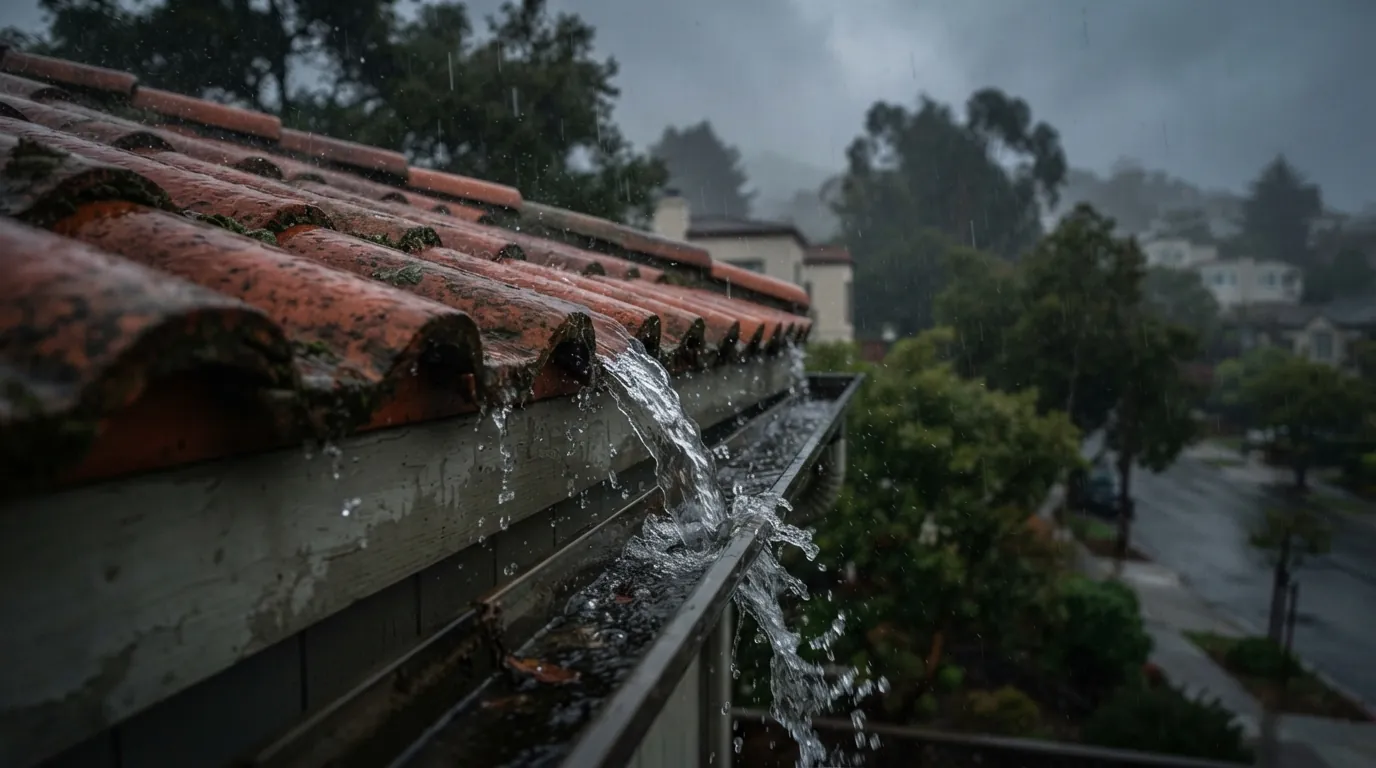
Quick answer. To choose a roofing contractor in San Jose, compare written, line-item quotes rather than totals, verify the contractor's state license and insurance yourself, confirm who pulls the permit, ask how decking, flashing and leaks during the job are handled, and avoid anyone who asks for a large deposit, skips the permit or knocks on doors right after a storm.
Start with a written, line-item quote
A quote you can compare names the shingle or tile by manufacturer and line, lists the underlayment, says whether valleys get ice-and-water membrane, states how much decking is included and the price per extra sheet, and says whether flashing is replaced or reused. It also says who files the permit and what happens to skylights, vents and solar panels.
Two quotes thousands of dollars apart usually differ in one of those lines. A single number with no breakdown makes that comparison impossible, which is exactly why some contractors prefer it. Our roof replacement cost guide explains what each line is worth.

Verify, do not take their word
Check the contractor's license status yourself with the California Contractors State License Board, which lists license class, status and any complaints. Ask for a certificate of insurance sent directly from the insurer, covering liability and workers' compensation, and check the dates. These are free, take minutes, and protect you if someone is hurt on your roof or damages your house.
Look at reviews over time rather than a burst in one month, and ask for addresses of recent jobs you can drive past.
Ask who pulls the permit
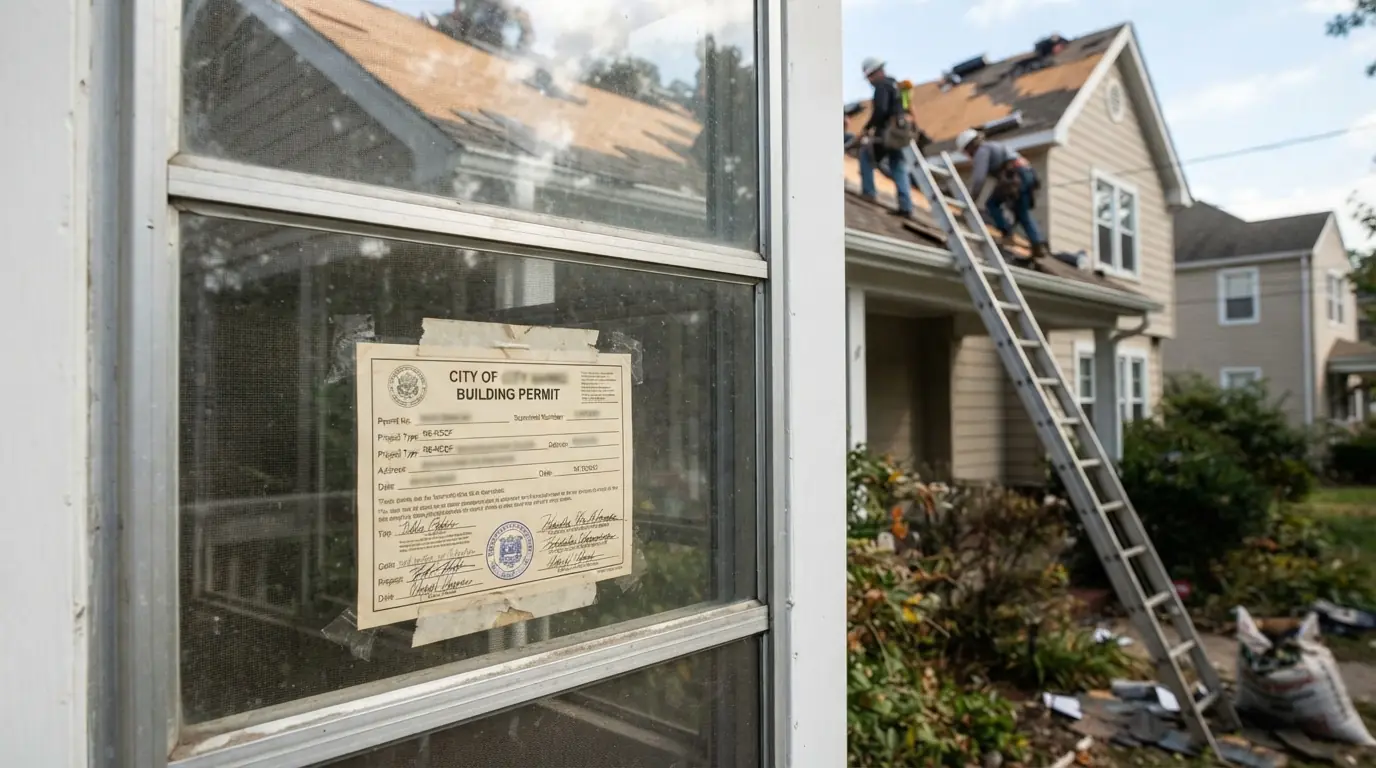
In San Jose, replacing 25 percent or more of a roof in a year needs a reroof permit, filed through SJPermits with the material, fire class and cool-roof rating. The contractor should file it and schedule the final inspection. An offer to skip the permit to save money is a red flag; unpermitted work can surface at sale time and leaves you without the city's inspection of the job.
Want a line-item quote to compare? We write every item down.
(669) 259-7490Questions worth asking
How do you find and price rotted decking? What underlayment do you use, and why? Is flashing at walls and chimneys replaced? How is the roof protected overnight if the tear-off runs long or rain comes in? Who is my contact during the job? What written warranty, if any, comes with the work and the materials, and who stands behind each?
Good contractors answer these quickly and put the answers in the scope. Vague answers are information too.
Red flags, especially after a storm
After big storms, out-of-area crews knock on doors offering inspections and fast insurance-paid roofs. Be wary of anyone who pressures you to sign on the spot, asks you to sign over insurance benefits, wants a large deposit before any work, or will not give a local address. California limits how large a down payment a home improvement contractor may ask for, so a big upfront demand is a warning sign.
If your roof took storm damage, get it secured first, then take time to compare quotes.
A quick comparison checklist
Use this when you have two or three quotes in hand.
| Check | Good sign | Warning sign |
|---|---|---|
| Quote | Line-item scope | Single total |
| License and insurance | You verified both yourself | Only their word |
| Permit | They file it | Offer to skip it |
| Decking | Per-sheet price stated | Not mentioned |
| Deposit | Modest, on a schedule | Large, upfront |
| After a storm | Secure, then quote | Sign today pressure |

FAQ
Hiring a roofer questions
Two or three detailed ones are usually enough to see the real differences.
Search the Contractors State License Board's online lookup by name or license number.
Yes. The contractor should file it and schedule the final inspection.
Not always, but check what it leaves out, usually decking, flashing or underlayment.
Pressure to sign immediately, signing over insurance benefits and large upfront deposits.
The full scope, materials, decking allowance, permit responsibility, schedule and any warranty terms.
Usually yes; expect noise during tear-off and keep pets and cars clear of the drip line.