Roofing guide
Should you re-roof before going solar in San Jose?
Solar panels are built to sit on a roof for decades. If the roof under them will not last that long, it pays to deal with it before the panels go on rather than after.
By Norman Eastwood, Roofing Guides Editor. Updated September 2026.
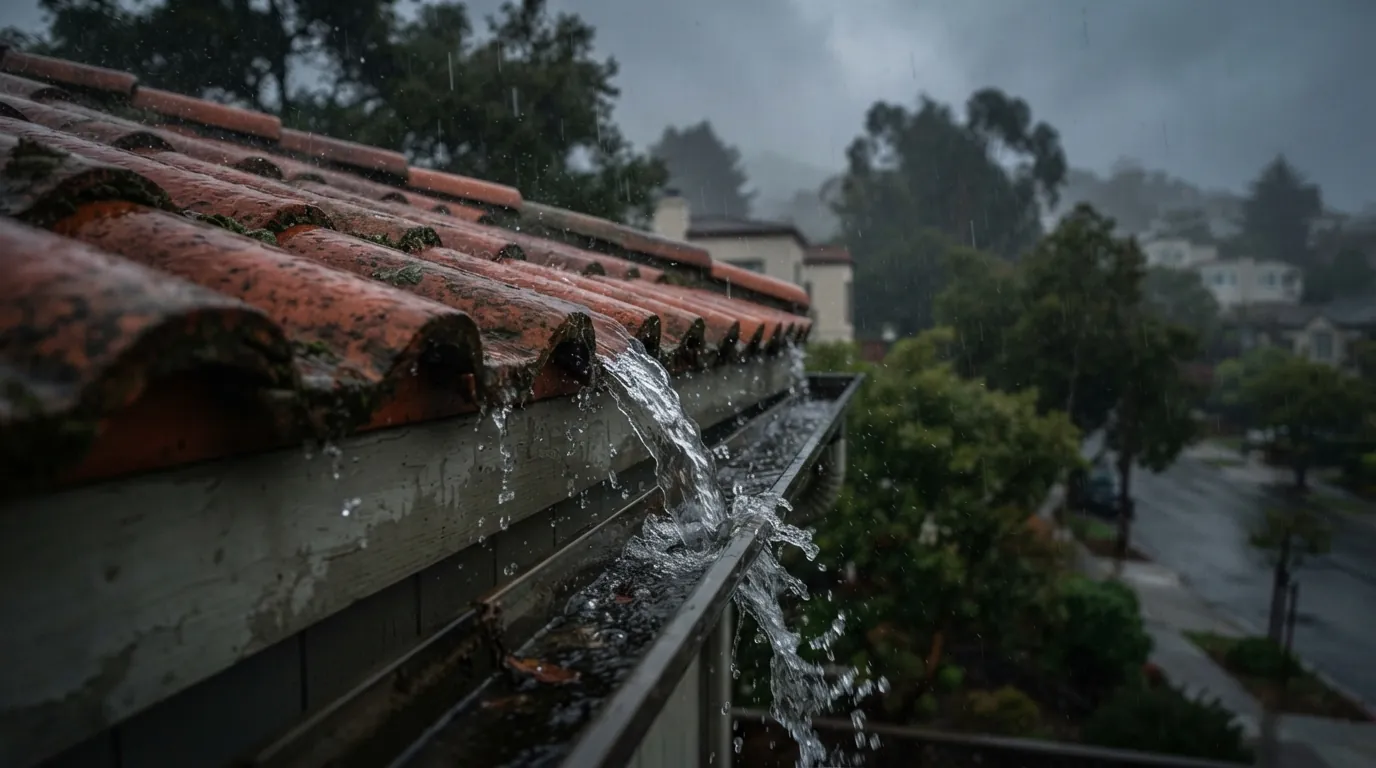
Quick answer. If a San Jose roof is within about ten years of the end of its life, or already on its second covering, re-roofing before installing solar usually makes sense. Taking panels off and putting them back later adds cost and several days of lost production, and the new roof would otherwise need the same mounts reflashed a second time.
Why the roof's age matters
Panels are usually expected to last decades. A composition shingle roof commonly lasts 25 to 30 years. If the roof is 18 years old when the panels go on, it will need replacing while the panels still have plenty of life left, and every panel will have to come off for the re-roof and go back on afterward.
San Jose's housing is older than many people think: the median home was built around 1976, and plenty of roofs are on their second or third covering. About 3,400 hours of sun a year also age the covering faster than in cloudier climates.
How to judge whether your roof will outlast the panels
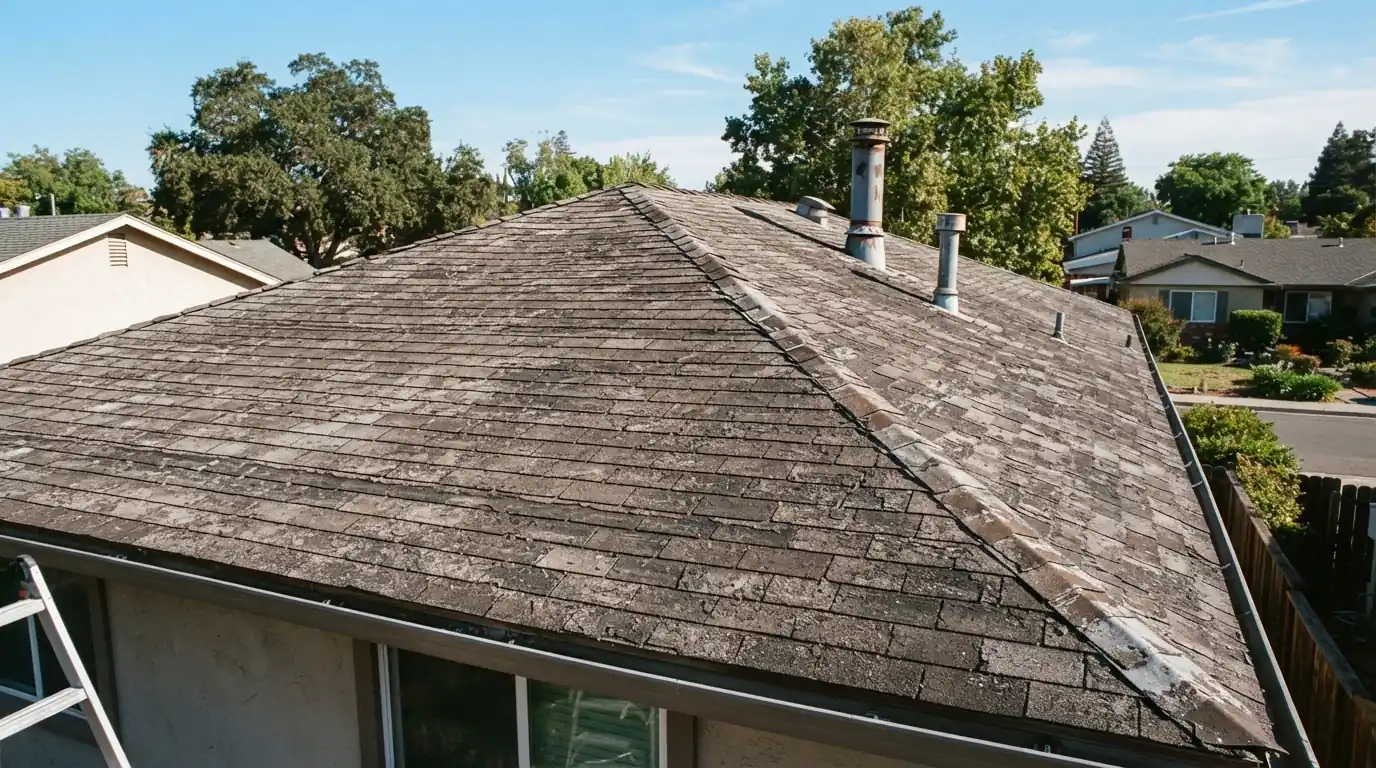
Start with the age if you know it, then look at the condition. Curling or cracked shingles, bald patches where granules are gone, soft spots underfoot and stains in the attic all point toward replacement soon. A tile roof may look fine but have underlayment that is near the end, which is worth checking before panels are bolted through it.
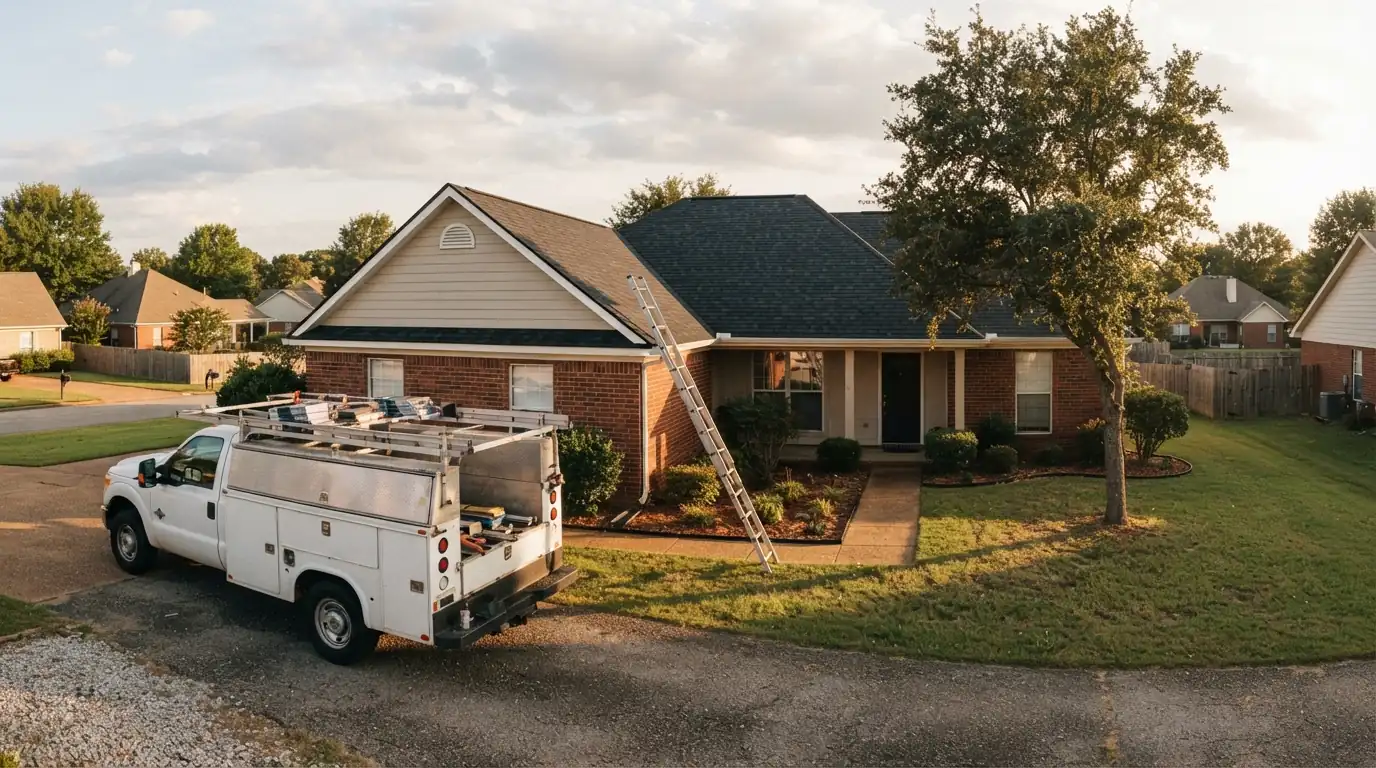
A roof inspection before signing a solar contract settles it, with photos of the covering, the flashing and the deck from the attic.
Planning solar? Have the roof checked before the panels go on.
(669) 259-7490What happens if you re-roof later
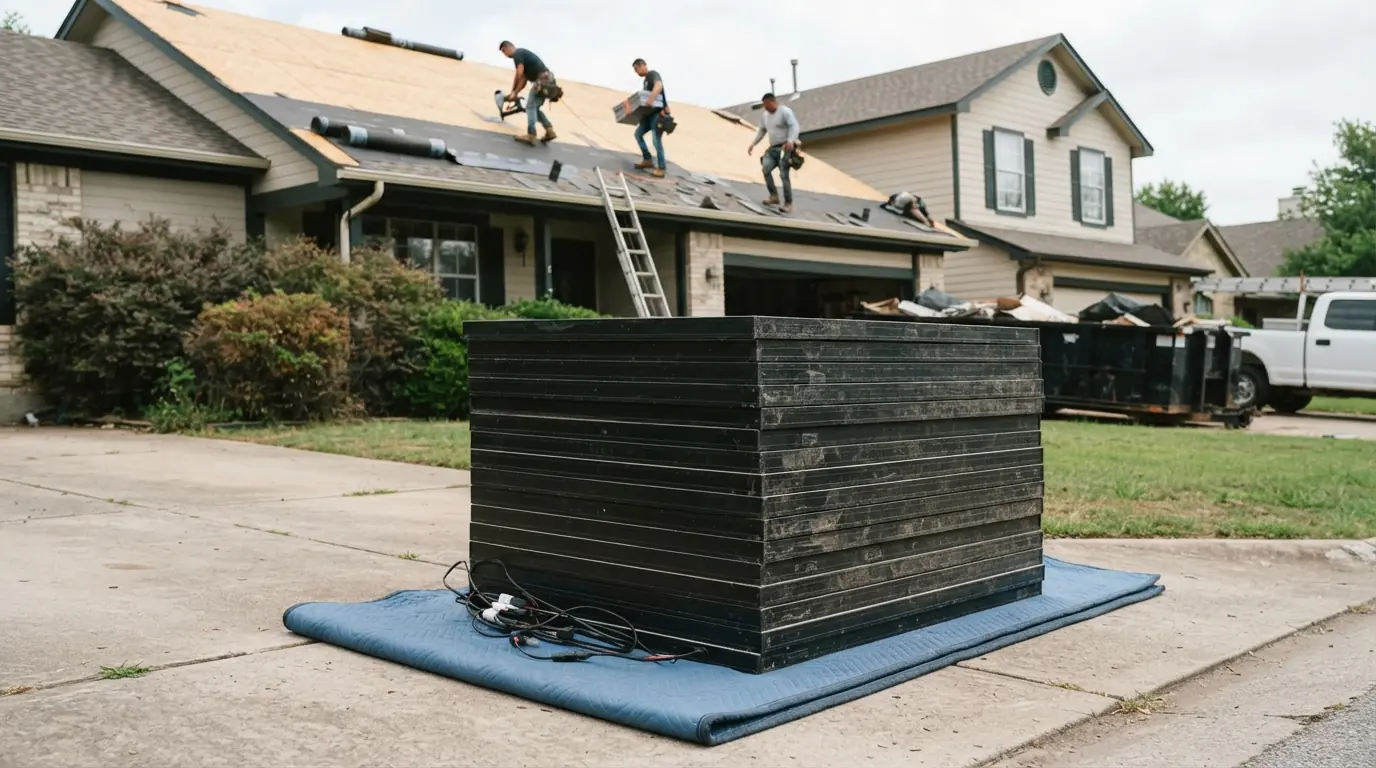
Re-roofing under an existing array means disconnecting the system, removing and storing the panels and racking, re-roofing, installing new flashed mounts, and resetting and recommissioning the system. On a typical house the array is offline for several days, and the electrical side needs a qualified person. It is a routine job, covered on our solar panel removal and reinstall page, but it is a cost you can avoid if the roof is replaced first.
Doing both at once
When the roof and the solar are planned together, the roofer installs the new roof and can flash the mount locations into the new covering as the solar installer specifies, or the solar crew mounts directly onto a brand new roof. The permit for the re-roof covers Title 24 and fire-class requirements at the same time, so a light, cool-rated covering and a Class A assembly are chosen once.
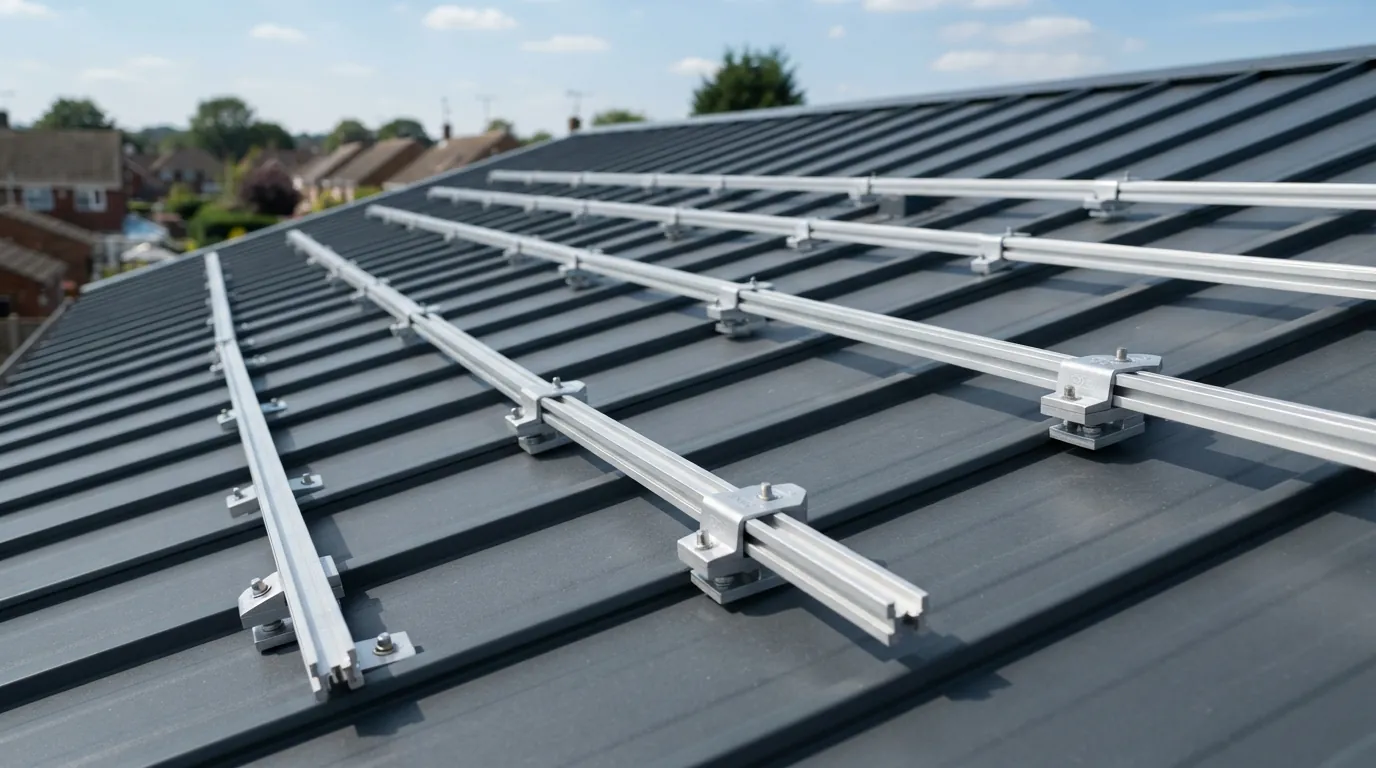
Standing seam metal is worth considering if you plan solar: clamp-on mounts attach to the seams without holes through the roof.
Questions to ask before you sign
Ask the solar installer how old they think the roof is and whether they inspected it. Ask who is responsible for leaks at the mounts, and for how long. Ask what removal and reinstallation would cost if the roof needs replacing later. And ask a roofer, separately, how many years the current roof has left.
FAQ
Roof and solar questions
If the roof has about ten years or less left, re-roofing first usually makes sense.
Yes, with tile-specific mounts; check the underlayment first.
A sound roof with plenty of life left; standing seam metal allows clamp-on mounts without holes.
It depends on the roof's terms; mounts should be flashed to the manufacturer's details.
Typically several days on a single-family home.
Yes, when 25 percent or more of the roof is replaced.
Ask both the roofer and the solar installer before signing, and get it in writing.