Roofing guide
Mobile home roof-over or coating: choosing the right fix
Manufactured home roofs are thin, light and low-sloped, and they fail at their seams and vents. Most owners end up choosing between a coating and a roof-over. Here is how to tell which you need.
By Norman Eastwood, Roofing Guides Editor. Updated September 2026.
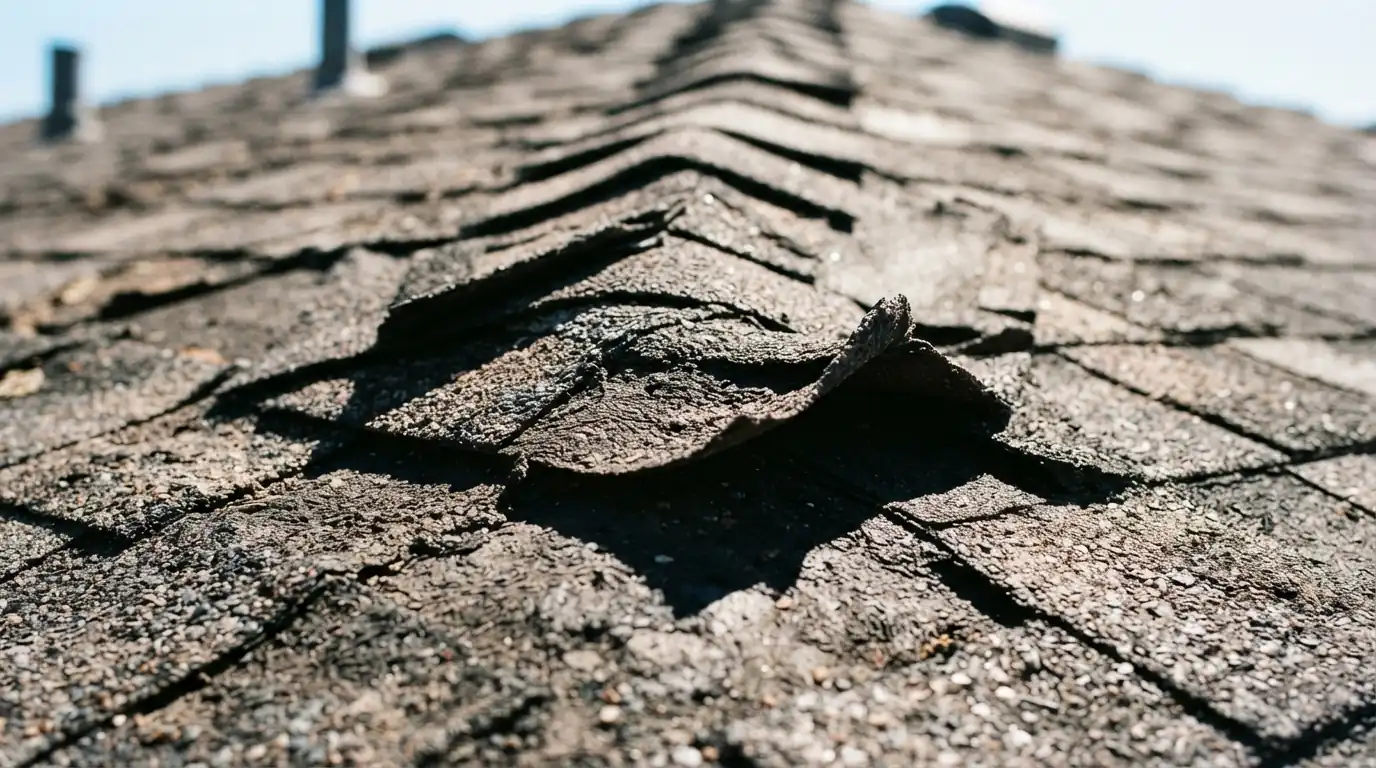
Quick answer. A coating suits a mobile home roof that is still sound but worn, rusting on the surface or cracking at the seams; it reseals and reflects the sun for a moderate cost. A roof-over suits a roof with chronic leaks, soft spots or a failing original surface; it adds a new pitched or insulated layer on top without tearing the old roof off.
Why this matters in San Jose
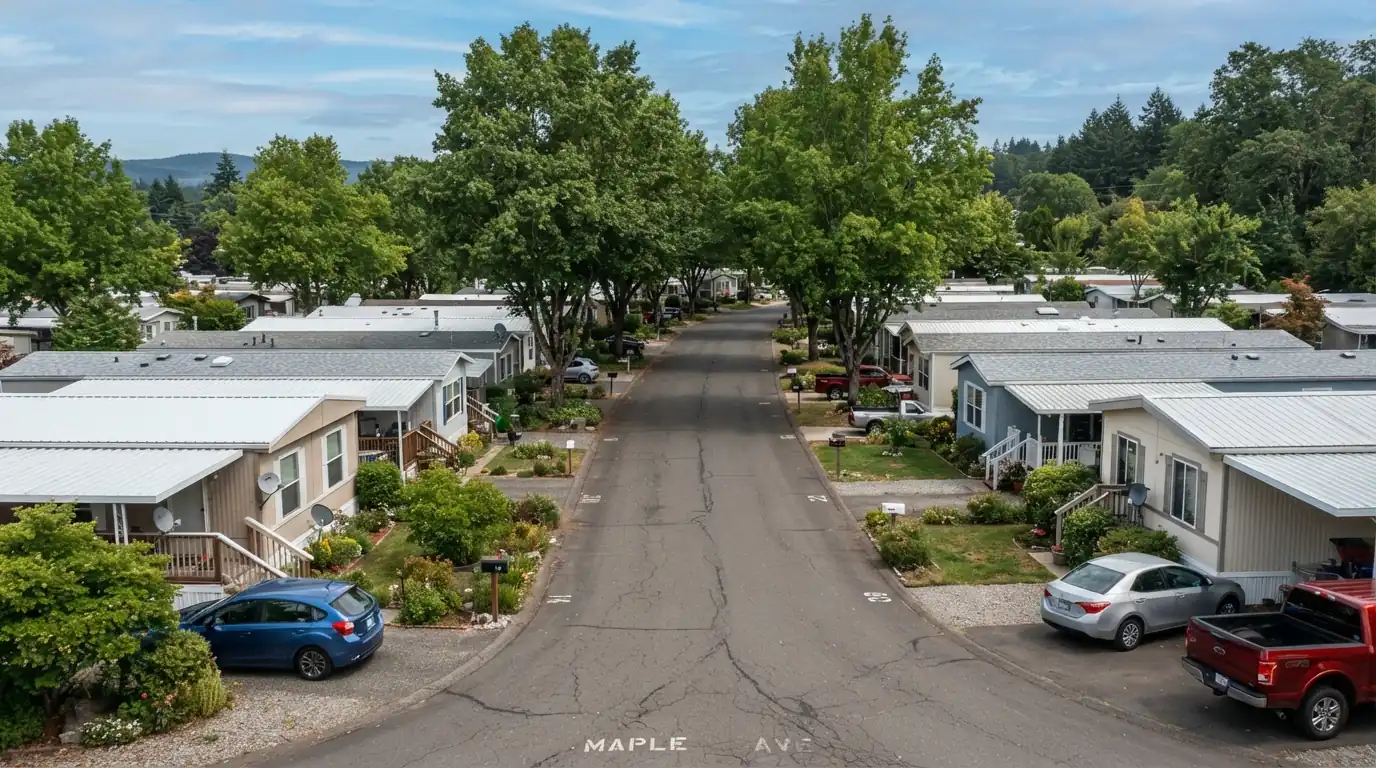
San Jose has 58 mobile home parks, the most of any city in California, and more than 10,000 mobile home spaces. For many owners the home is the most affordable housing they will find in the valley, which makes choosing the least expensive fix that will actually hold especially important.
Most manufactured homes carry either a thin metal roof or a low-slope membrane over light trusses. Neither was designed to carry a heavy conventional re-roof, which is why coatings and roof-overs are the usual answers.
When a coating is enough
A coating works when the roof underneath is still sound: firm to walk on, no widespread soft spots, and leaks limited to seams and fasteners. The roof is cleaned, rust is treated, seams and fasteners are reinforced with fabric and sealant, and an elastomeric coating goes on in two coats.
A white coating reflects much of the sun, so the home runs cooler inside through a San Jose summer. Coatings need renewing on the manufacturer's schedule, but they cost much less than a roof-over each time.
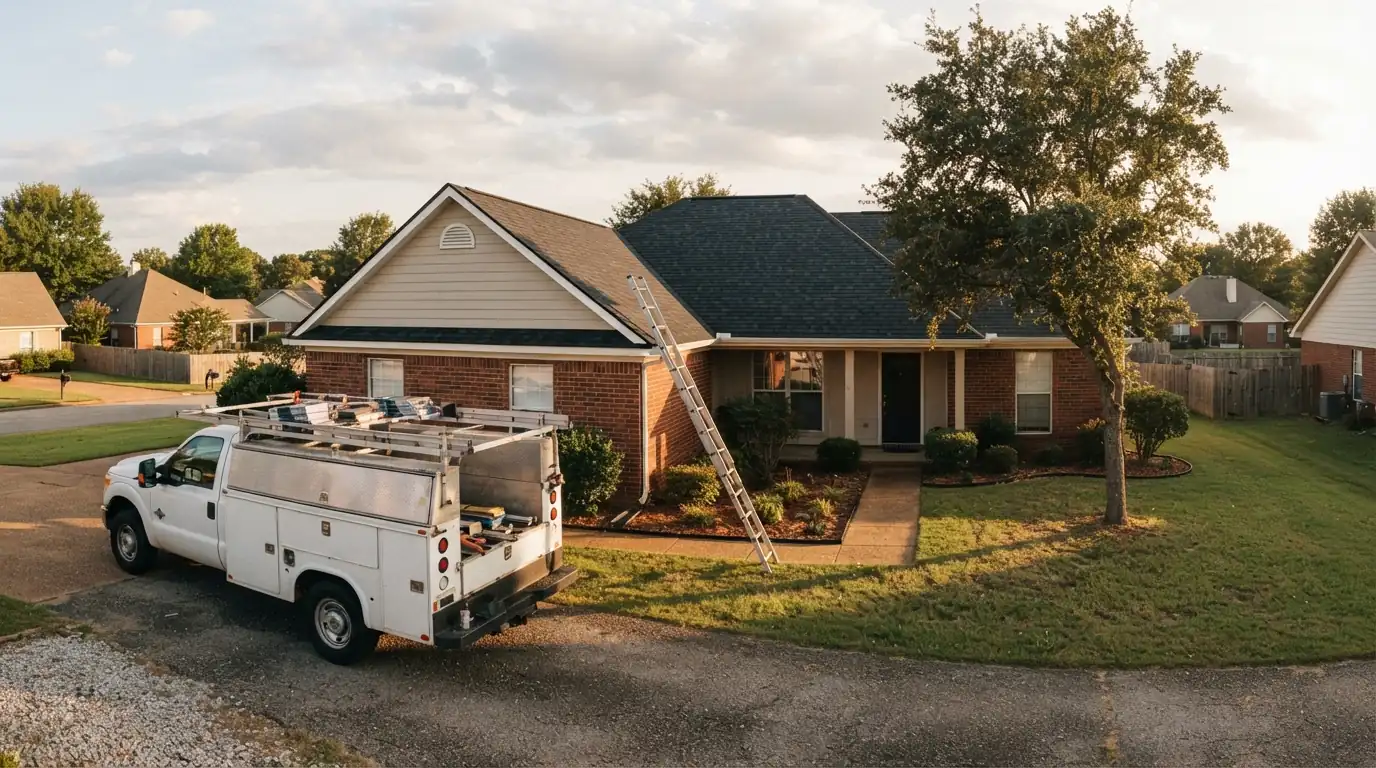
Leak in your mobile home? We check the roof and the frame first.
(669) 259-7490When a roof-over makes sense
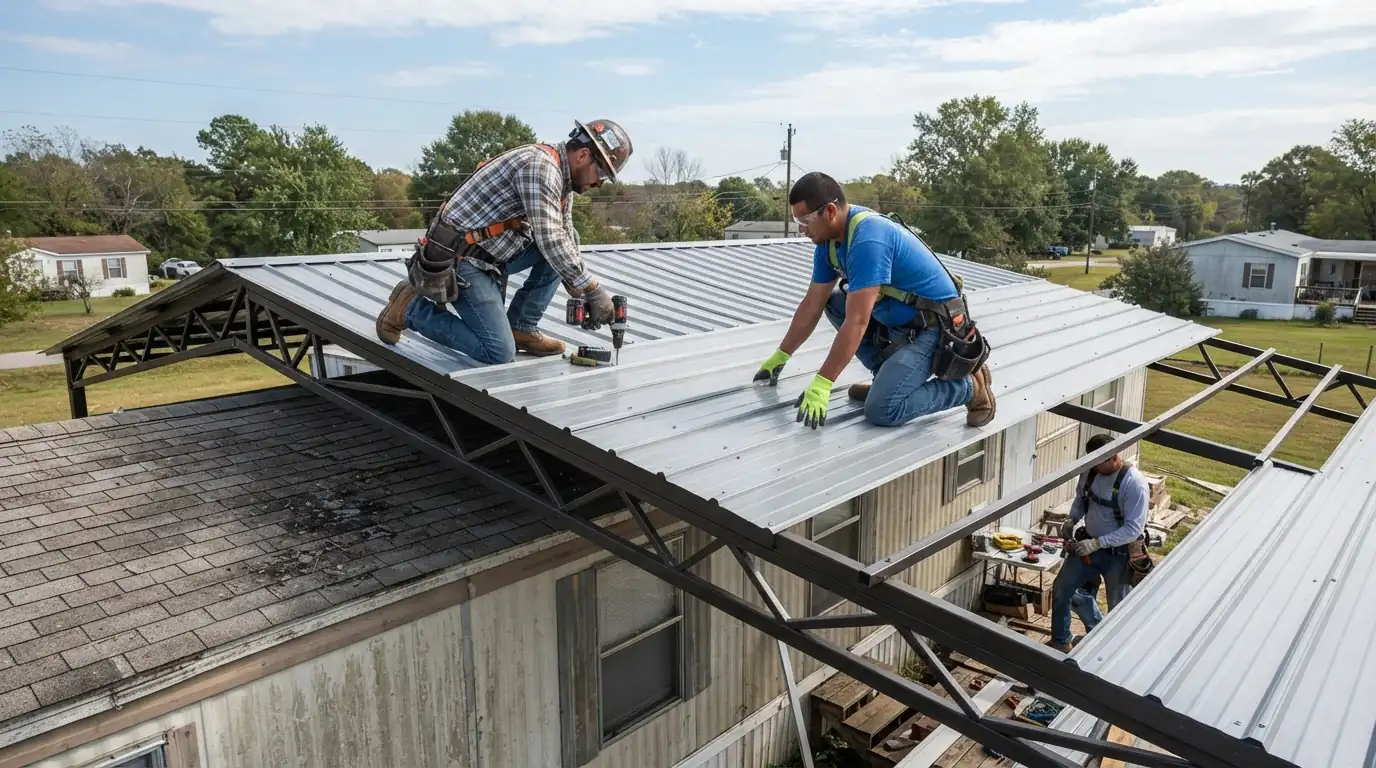
A roof-over is the answer when the original roof has reached the end: leaks keep coming back at different seams, the surface is rusted through in places, or the ceiling shows water damage in several rooms. Furring or a lightweight truss system goes on top of the old roof to create slope and an air gap, and new metal panels or a membrane cover it.
The air gap is the bonus. It gives room for insulation that the original roof never had, and the added slope sheds water that used to sit on the old surface.
Side by side
The table is the short version; an inspection of the roof and the frame decides it.
| Question | Coating | Roof-over |
|---|---|---|
| Roof condition | Sound but worn | Chronic leaks or failing |
| Adds insulation | Reflects heat only | Yes, in the new air space |
| Typical time | About a day | Two to four days |
| Upkeep | Recoat on schedule | Little for many years |
| Relative cost | Moderate | Higher |
Permits, the park and the frame
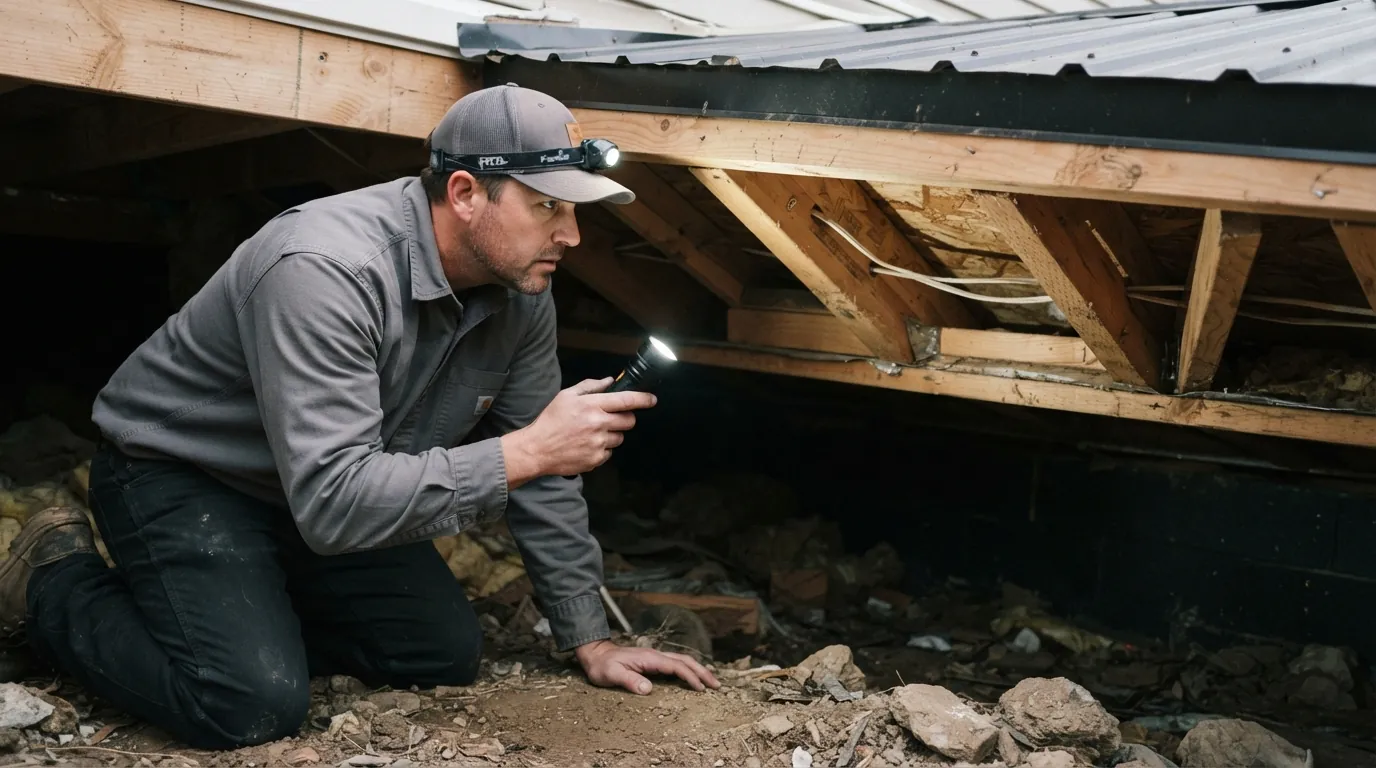
Coatings and minor repairs usually need no permit. A roof-over that changes the structure may, and homes inside parks can fall under different permit rules than houses on their own lots, so confirm who issues the permit before work starts. Park management usually sets work hours and parking rules. And before any roof-over, the home's frame and anchoring should be checked, because a roof-over adds weight.
Our mobile home roofing visits check the roof and the frame and start with the lightest fix that will hold.
FAQ
Mobile home roof questions
It depends on the product and thickness; recoats are planned on the manufacturer's schedule.
Only if the home was built for it. Most do better with a coating or a lightweight roof-over.
Usually, because of the added layer and air space.
It may, depending on the scope. Confirm who issues it before work starts.
At seams and fasteners on a sound roof, yes. Not on a roof that is already soft.
Most parks want notice and set work hours.
A coating on a sound roof; a roof-over once the original roof has failed.