Roofing guide
Gutter guards in San Jose fire zones: what the rules mean
In the parts of San Jose mapped as very high fire hazard, a gutter full of dry leaves is not just a maintenance issue. State rules already cover it, and proposed rules go further.
By Norman Eastwood, Roofing Guides Editor. Updated September 2026.

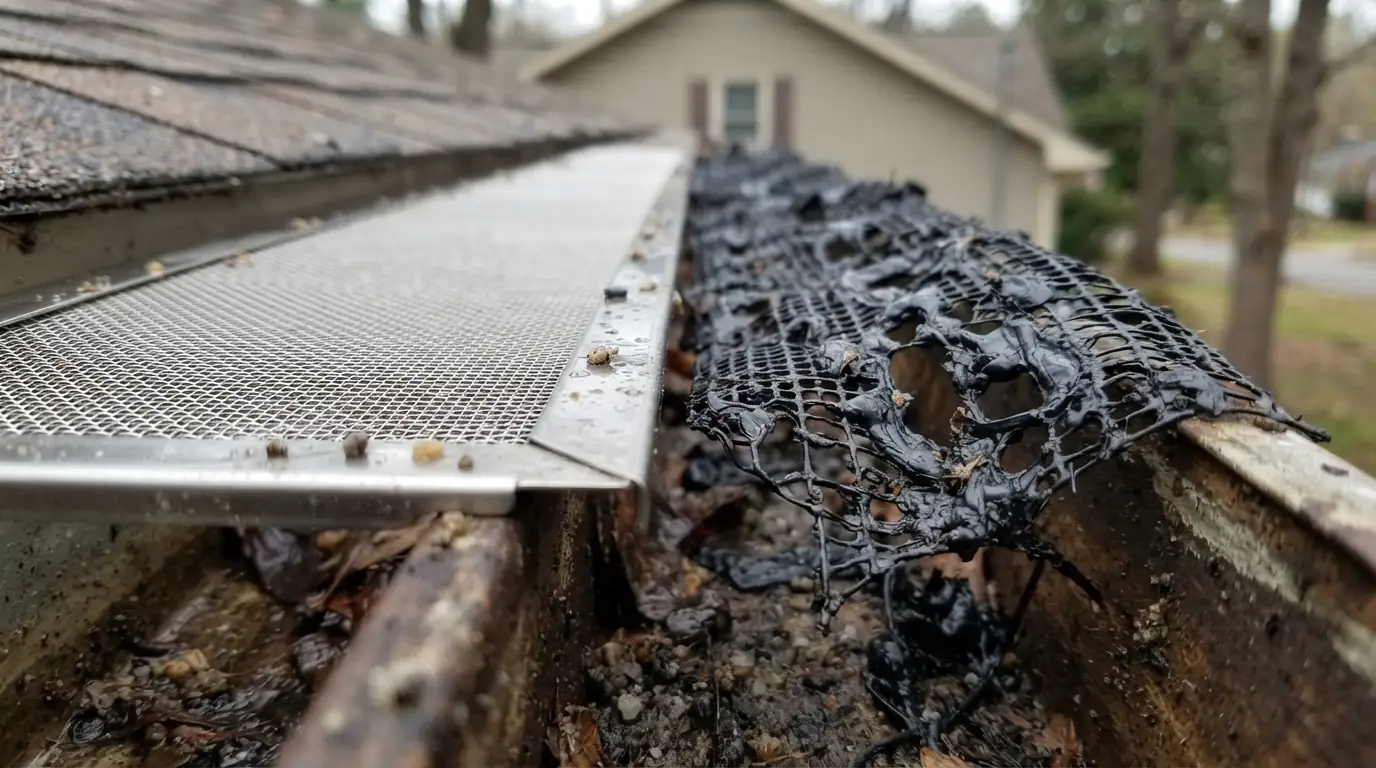
Quick answer. In Very High Fire Hazard Severity Zones, California's defensible space rules call for keeping dead leaves, needles and debris off roofs and out of gutters, and proposed Zone 0 rules would require roofs and gutters to stay clear of combustible debris. Metal mesh gutter guards make that much easier to keep up; plastic guards can melt and add fuel.
Why gutters matter in a wildfire
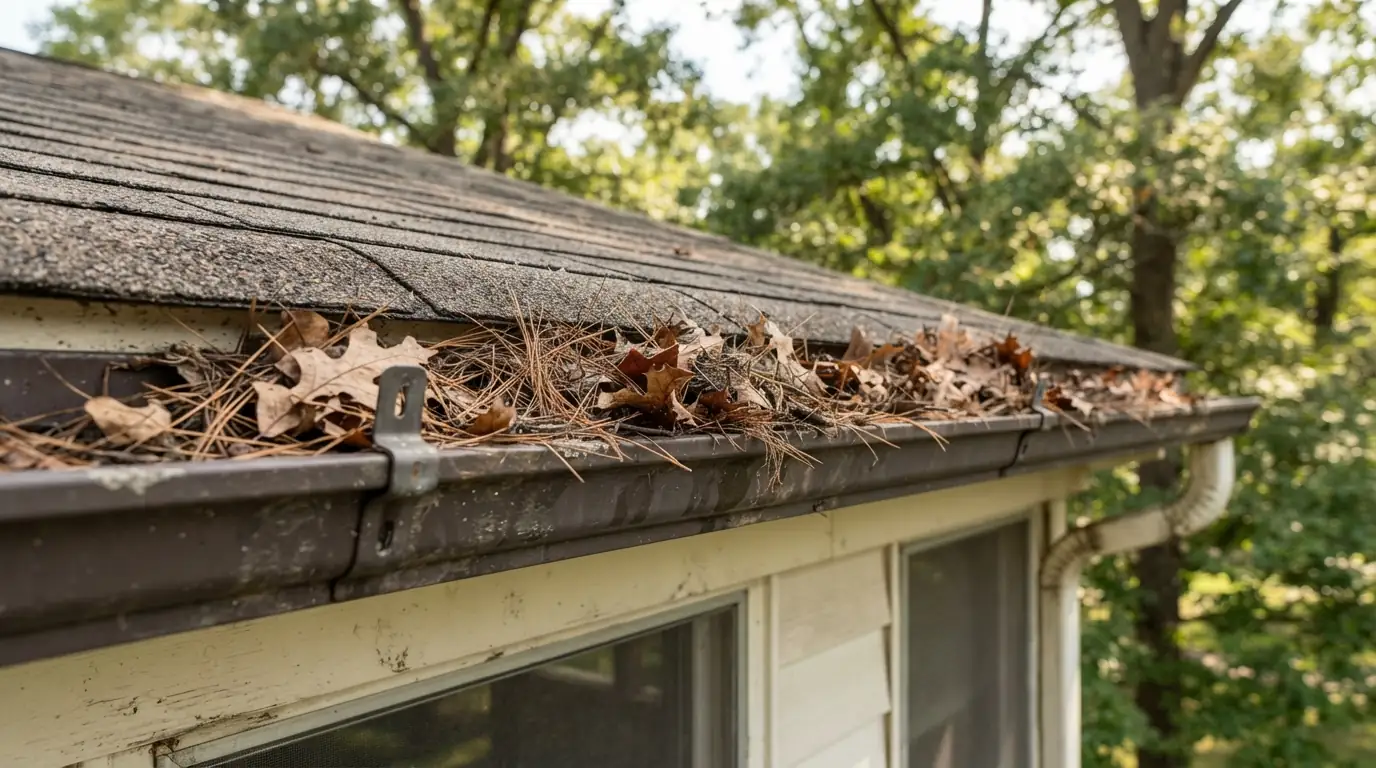
Most homes lost in wildfires are ignited by wind-blown embers, not by a wall of flame. Embers land where debris collects, and a gutter full of dry oak leaves or pine needles along the roof edge is exactly that. Once the debris catches, fire can reach the fascia, the eaves and the attic vents.
San Jose's very-high hazard acreage roughly doubled when the city adopted CAL FIRE's updated map in 2025, with the wildland-urban interface concentrated in the Almaden Valley and the East Foothills. More homes are now inside a zone than a few years ago.
What the rules already say
If your home is in a State Responsibility Area or a Very High Fire Hazard Severity Zone, you are responsible for maintaining defensible space. The state's guidance for the area around the home includes removing dead leaves, pine needles and debris from the yard, the roof and the gutters, and trimming overhanging branches to at least 10 feet from chimneys.
You can check your address on the City of San Jose Fire Hazard Severity Zone finder or CAL FIRE's viewer.
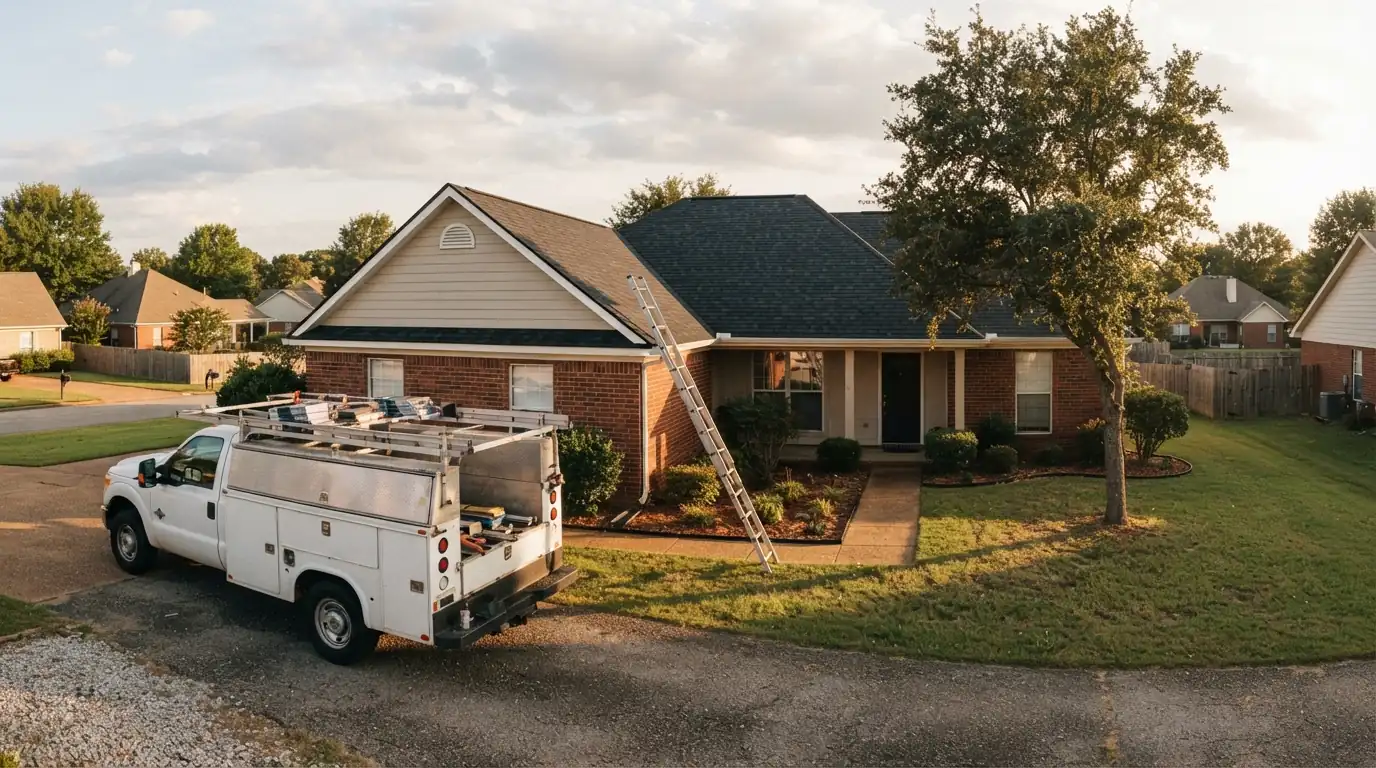
In a fire zone? We fit metal guards and clear the roof edge before fire season.
(669) 259-7490The proposed Zone 0 rules
The Board of Forestry and Fire Protection has been developing Zone 0, an ember-resistant area within five feet of structures in State Responsibility Areas and Very High Fire Hazard Severity Zones. Draft language released in October 2025 would prohibit combustible materials such as dry leaves, needles and bark mulch within five feet of a home and require roofs and gutters to be kept clear of combustible debris. The rules were still being finalized at the time of writing, so check the Board's Zone 0 page for the current status.

Which guards actually help
Stainless steel micro-mesh guards stop leaves, needles and seeds and do not burn, which makes them the best fit in fire zones and under conifers. Perforated aluminum guards stop large leaves and suit homes under oaks. Foam and brush inserts and plastic screens are the wrong choice here: they are combustible and hold debris.
No guard is maintenance-free. Mesh still needs brushing off once or twice a year, especially before fire season. See our gutter guard installation page for how we fit them.
A fire-season routine for the roof edge
Before summer fire weather, clear the roof and gutters, brush off any guards, trim branches back from the roof and chimney, and check that attic vents are screened. After the first rains, clean the gutters again so they drain. Our gutter cleaning and ember-resistant vent work covers both ends of that routine.
FAQ
Gutter guard and fire zone questions
Not specifically, but keeping gutters clear of debris is part of defensible space rules, and guards make it easier.
They are combustible and can melt; metal mesh is the better choice.
A proposed ember-resistant area within five feet of homes in high-hazard areas, with roofs and gutters kept clear.
Check the City of San Jose zone finder or CAL FIRE's viewer, or ask us.
Yes, a brushing once or twice a year, especially before fire season.
State guidance calls for branches at least 10 feet from chimneys.
Usually, once the gutters are cleaned and repaired.